• Skip to primary navigation
  • Skip to main content
  • Skip to footer

Target Therapeutics

Getting You Out Of Pain & Keeping You There | Kitchener-Waterloo Physiotherapy | Chiro | RMT

  • Make An Appointment
    • Book ONLINE NOW!
    • Hours
    • New Patient Forms
  • Services
    • Chiropractic
    • Physiotherapy
    • Registered Massage Therapy
    • Certified Pedorthist
    • Registered Social Worker
  • Therapies
  • Meet Our Practitioners
    • Chiropractors
    • Physiotherapists
    • Registered Massage Therapists
    • Certified Pedorthists
  • Rates + Insurance
  • About Us
    • Gallery
    • F.A.Q
    • New Patient Forms
    • Notable Patients
    • Careers
    • Privacy Policy
  • Contact

Chiropractic

Concussion Management

February 3, 2020 by Target Therapeutics Leave a Comment

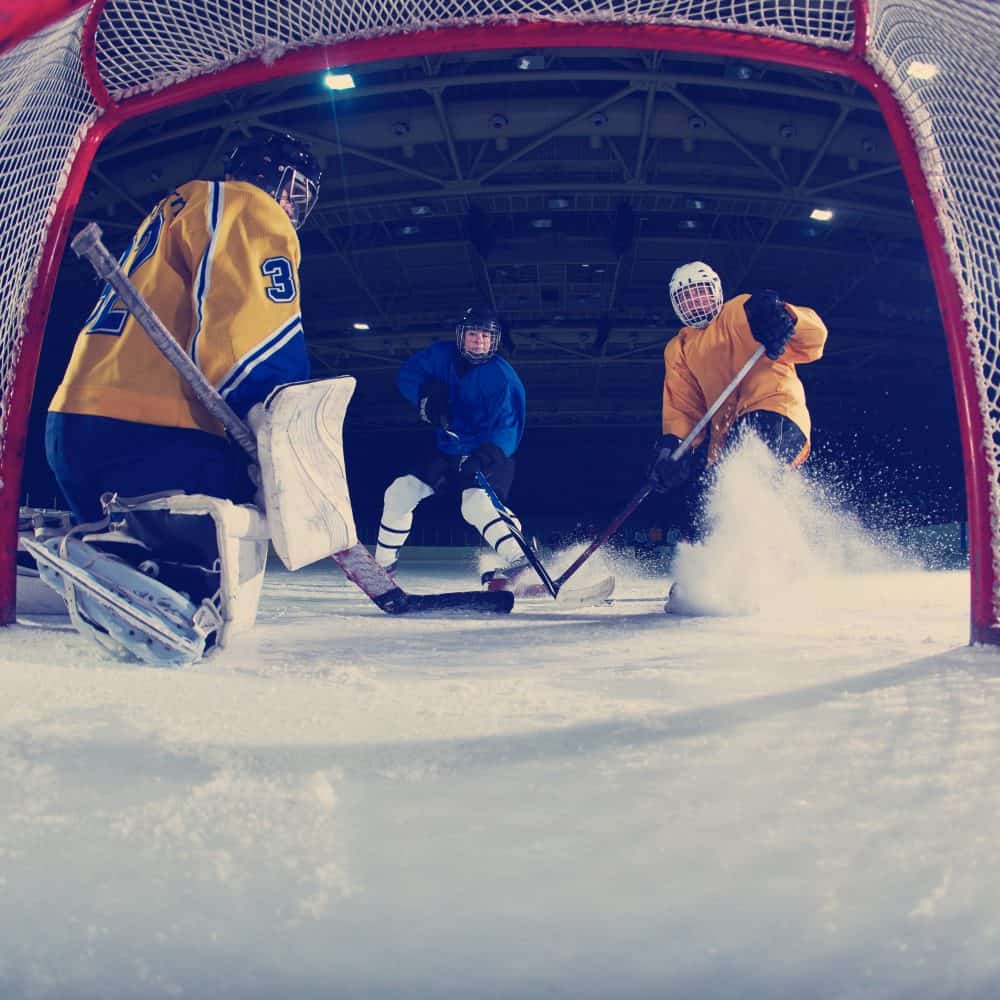
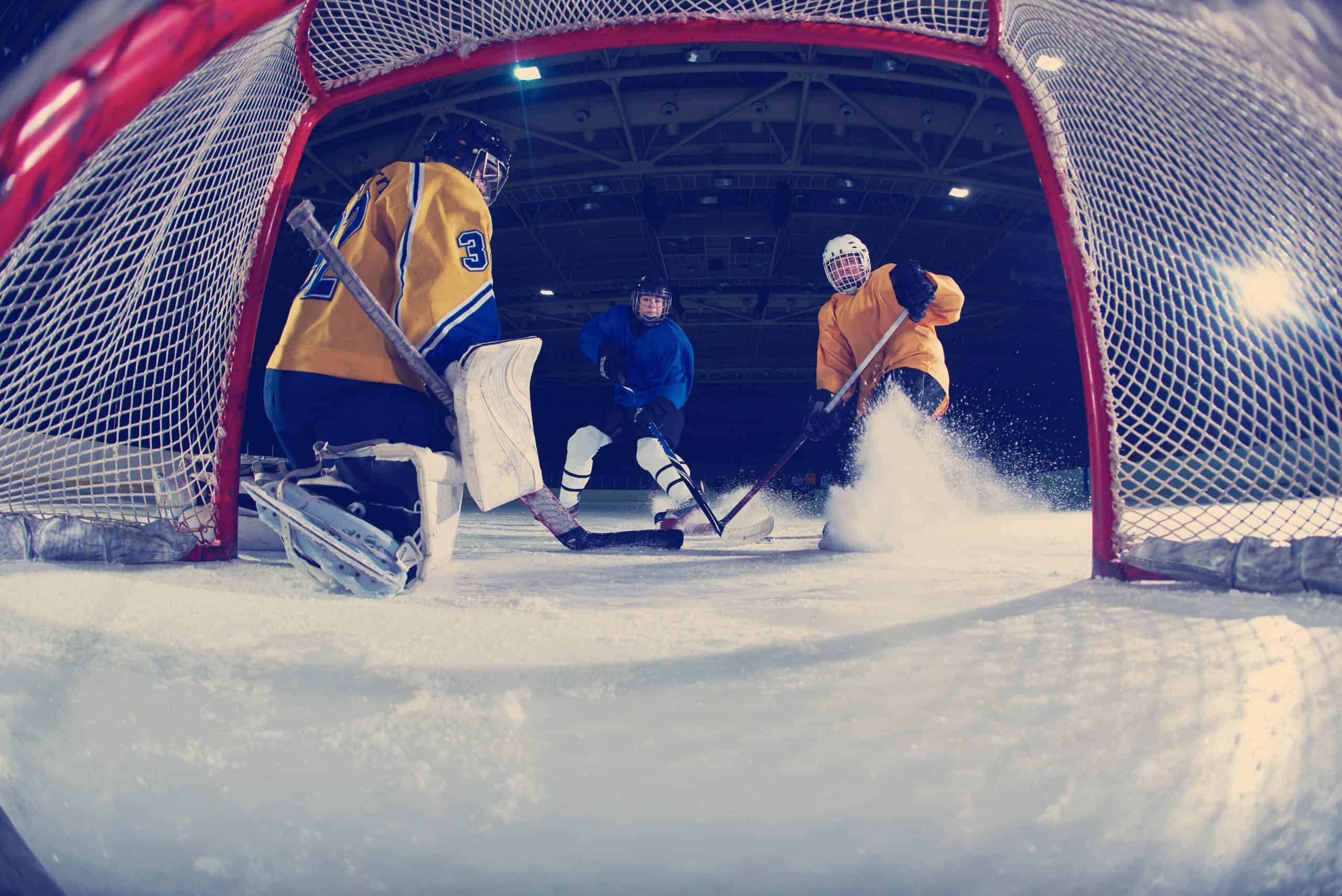
ice hockey goalkeeper

ice hockey goalkeeper

What is a concussion?

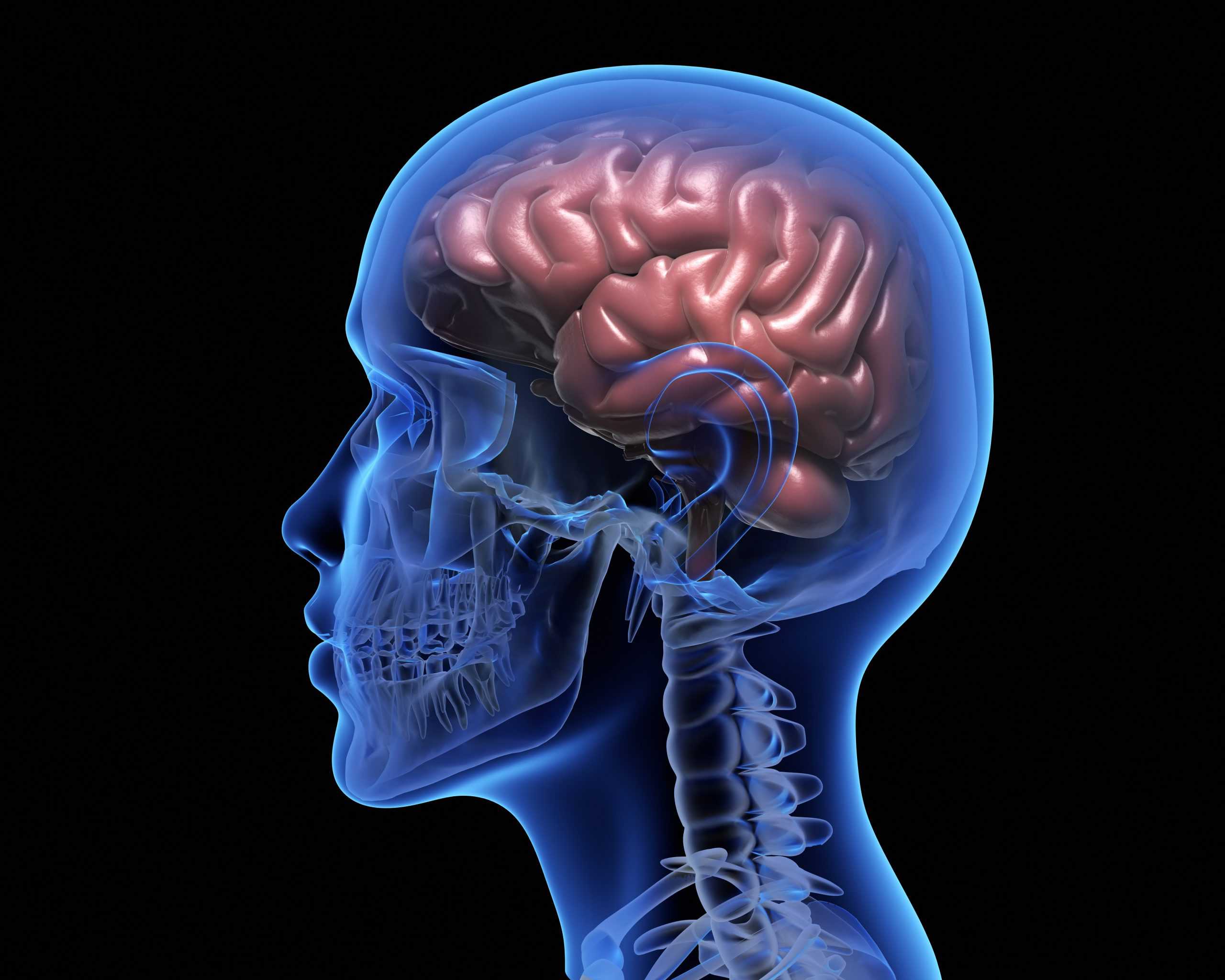
A concussion is a type of traumatic brain injury caused by a direct blow to the head or by a hit to the body that causes the head and brain to move rapidly back and forth.

It considered a mild, reversible brain injury that affects the normal functioning of the brain.

What is so special about the brain?

The brain is made up of billions of neurons and the communications between these neurons are how we think, move, and feel. We want to protect these neurons and connections so we can accomplish our day to day activities and long term goals.
What should be done if a concussion is suspected?

If the signs and symptoms of a suspected concussion are observed, it is imperative to immediately be removed from the activity (whether it be work, school, or a sport).

The individual should first be evaluated for any signs and symptoms that would warrant a referral to the emergency department. There are many tools designed to help with the detection of concussion, including the Sports Concussion Assessment Tool 5 (SCAT 5) which is intended to be used by licensed healthcare professionals and the Concussion Recognition Tool 5 (CRT 5) which is intended for use by anyone.

These tools help with recognition of the signs/symptoms of concussion, removal from the activity as well as provide guidance surrounding the immediate care of a suspected concussion.

How do you manage concussions (based on the Berlin International Consensus Statement)

It is important to be assessed by a healthcare professional if a concussion is suspected.

The assessment for concussion is multifaceted and may include evaluation of cognition, balance/coordination, neurological function, neck joints & musculature, and temporomandibular (jaw) joints & musculature based on the symptoms being experienced.

After the assessment is completed, the 24-48 hours immediately following a concussion require both cognitive and physical rest to ease discomfort and decrease demands on the brain during the early stages of healing. After this immediate rest and the acute symptoms resolve, both physical and cognitive activities can then be gradually incorporated once again provided they do not increase symptoms.

There are designated Return to School and Return to Sport protocols that will help to gradually increase cognitive and physical demands. Although these protocols can be performed simultaneously, returning to cognitive demands (such as school or work) are to be completed prior to physical demands (such as sports or rigorous physical activity).

The majority of concussions resolve on their own within 14 days for adults and up to 4 weeks in children. However, if the concussion does not resolve as expected, rehabilitation can be done based on findings of an individualized assessment.

Concussion Treatment may include:

  • Cervicovestibular rehabilitation
  • Manual therapy of the cervical spine and temporomandibular joints and
    muscles
  • Adaptation, habituation, and balance exercises
  • Gait and head movement
  • Activity/sport-specific training drills”
Filed Under: Chiropractic, Physiotherapy

Bursitis

January 16, 2020 by Target Therapeutics Leave a Comment

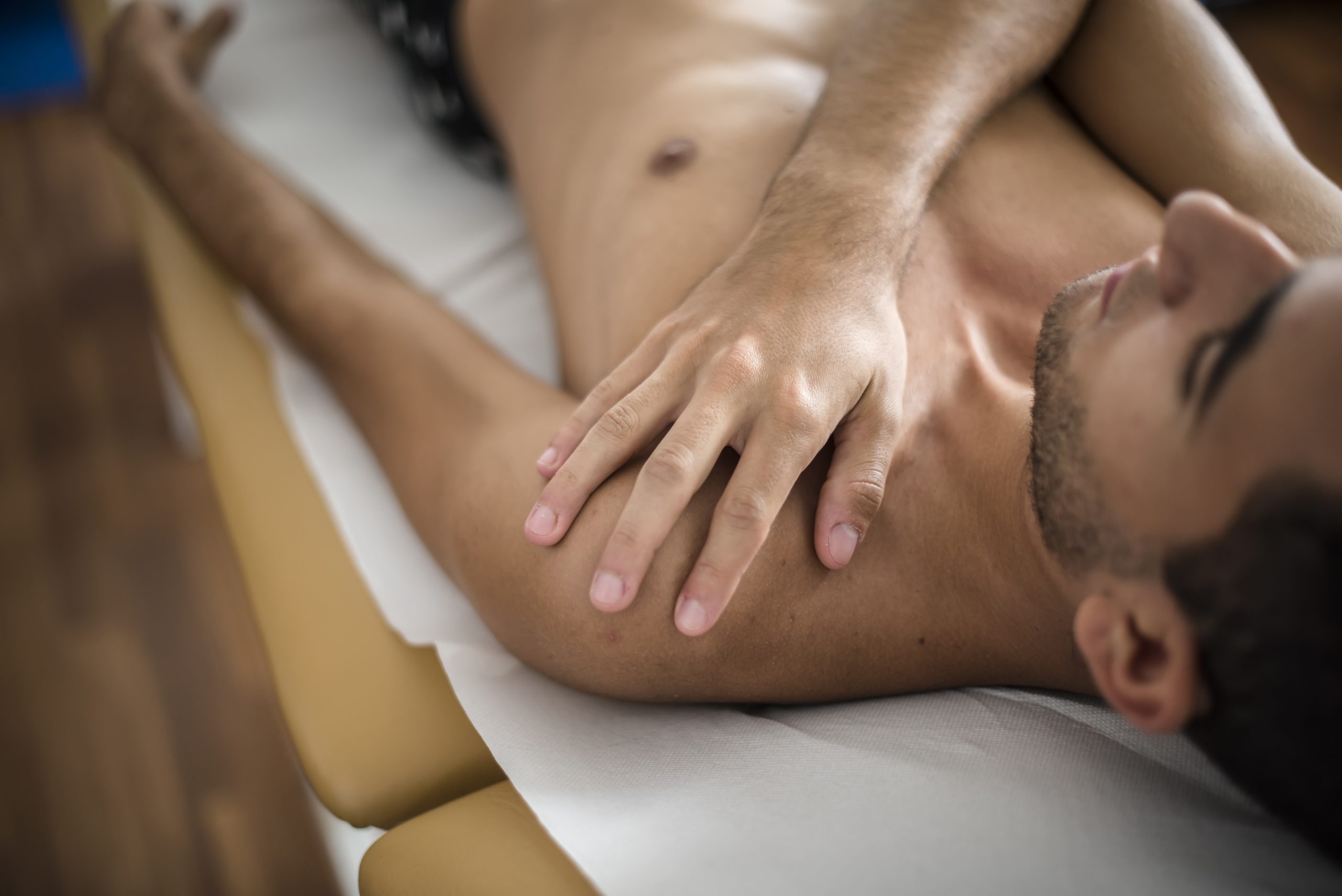
shoulder bursitis

shoulder bursitis

What is a Bursa?

A bursa is a bag of lubricant which provides a low-friction, slippery and smooth interfaces between two tissues in your body eg a tendon and a bone.

Bursae are found throughout your body, where muscles and tendons glide over bones. You have more than 150 bursae in your body. Without your bursa between these surfaces, your movements would be painful due to friction. Much like the pain associated with bursitis.

What Causes Bursitis?

Your bursa can be injured via direct trauma, or more commonly via repeated irritation.

During painful bursitis, your bursa loses its painless and low-friction gliding capabilities. The added bulk of the swollen bursa causes more friction within an already confined space.

There are several common causes of bursitis. They include the following:

  • Repetitive bursa irritation
  • Traumatic injury
  • Systemic disease
  • Any bursa in your body

— And remember there are 150+ can be susceptible to repetitive trauma due to poor muscle control of movement patterns. Identification and correction of these poor movement patterns falls into the professional skill profile of physiotherapist. Please seek their professional opinion especially in longstanding or repeat episodes of bursitis.

Movements and activities can become painful from either the pain-sensitive chemical reaction within the bursa or the swollen bursa can provide additional frictional forces in the subsequent movements.

A fall and land onto your knee can acutely compress your prepatella bursa resulting in knee bursitis

Bursitis Treatment

Bursitis treatment has several phases:

  • Reduce the acute bursitis pain,
  • Reduce the bursa inflammation,
  • Assess the cause and rectify any reason that would predispose to bursitis,
    Reduce Bursa Inflammation & Pain

Bursa treatment will usually commence with treatment modalities that aim to reduce bursa pain and inflammation. Treatment options may include:

  • Ice
  • Anti-inflammatory Medications
  • Anti-inflammatory Gels
  • Electrotherapy
  • Deloading taping eg Kinesio taping
  • Assess Non-Traumatic Causes

Bursitis pain usually settles within a few weeks with the appropriate bursa treatment. All non-traumatic origin bursitis should be investigated to discover what is causing your bursitis.

Recurrent flare-ups or recalcitrant bursitis can be common and frustrating for the sufferer. The important thing when managing persistent bursitis is to delve deeply into WHY your bursa is inflamed. Once the reason is identified, controlling your bursitis becomes a much easier project.

Remember the source of recalcitrant bursitis might be your poor biomechanics, muscle weakness, tightness, movement patterns or postural habits that your physiotherapist can identify and help you to correct.

Secondly, the cause may be disease-related. If this is the case, please consult your doctor. If they deem it appropriate, they may advise some tests, eg blood tests, to eliminate or confirm a potential systemic cause of your bursitis.

Prevent a Recurrence

Bursitis is often a secondary symptom caused by many other factors. The best form of bursitis treatment is to identify, and then address, any abnormal biomechanical of muscle control findings, to reduce your likelihood of a bursitis recurrence. Your physiotherapist is highly skilled in identifying these deficits to help you recover quickly from bursitis and then prevent a bursitis recurrence. After thoroughly assessing you, your physiotherapist may prescribe a stretching, strengthening, movement correction/control program.

Filed Under: Chiropractic, Health

« Previous Page

Footer

230 East Avenue
Kitchener, Ontario N2H 1Z4

Click To Call: 519-593-2354
E: [email protected]
Fax: (519) 569-8215

  • Make An Appointment
  • Services
  • Therapies
  • Meet Our Practitioners
  • Rates + Insurance
  • About Us
  • Contact

Copyright © 2026 TARGET THERAPEUTICS | 230 EAST AVENUE | KITCHENER ONTARIO | 519.593.2354