• Skip to primary navigation
  • Skip to main content
  • Skip to footer

Target Therapeutics

Getting You Out Of Pain & Keeping You There | Kitchener-Waterloo Physiotherapy | Chiro | RMT

  • Make An Appointment
    • Book ONLINE NOW!
    • Hours
    • New Patient Forms
  • Services
    • Chiropractic
    • Physiotherapy
    • Registered Massage Therapy
    • Certified Pedorthist
    • Registered Social Worker
  • Therapies
  • Meet Our Practitioners
    • Chiropractors
    • Physiotherapists
    • Registered Massage Therapists
    • Certified Pedorthists
  • Rates + Insurance
  • About Us
    • Gallery
    • F.A.Q
    • New Patient Forms
    • Notable Patients
    • Careers
    • Privacy Policy
  • Contact

Target Therapeutics

Physiotherapy & Chronic Pain Management

July 6, 2020 by Target Therapeutics Leave a Comment

asian man suffering from chronic pain in arm seeing a physiotherapist

Chronic pain management can be a real challenge. The highly skilled physiotherapists from Target Therapeutics in Kitchener Waterloo weigh in on natural and lasting pain relief through physiotherapy. 

Female runner suffering with pain on sports running knee injury

Physiotherapy For Pain Management

There is no question that Canada needs to address chronic pain in a more effective fashion.

More attention must be paid to drug-free forms of treatment like physiotherapy. Studies confirm time and time again the effectiveness of physiotherapy for the management and resolution of a wide variety of orthopaedic syndromes that cause pain. In physiotherapy, patients take an active role in the treatment and they are empowered with strategies to increase their control over their pain.

Physiotherapy provides an avenue to address and treat the underlying cause of the pain instead of simply masking it with medication. Functional goals are set collaboratively with the patient to determine success.

Canada needs to do something about its costly opioid epidemic. Canada needs to take a more natural approach to pain syndromes that focus on alternatives to opioids such physiotherapy.
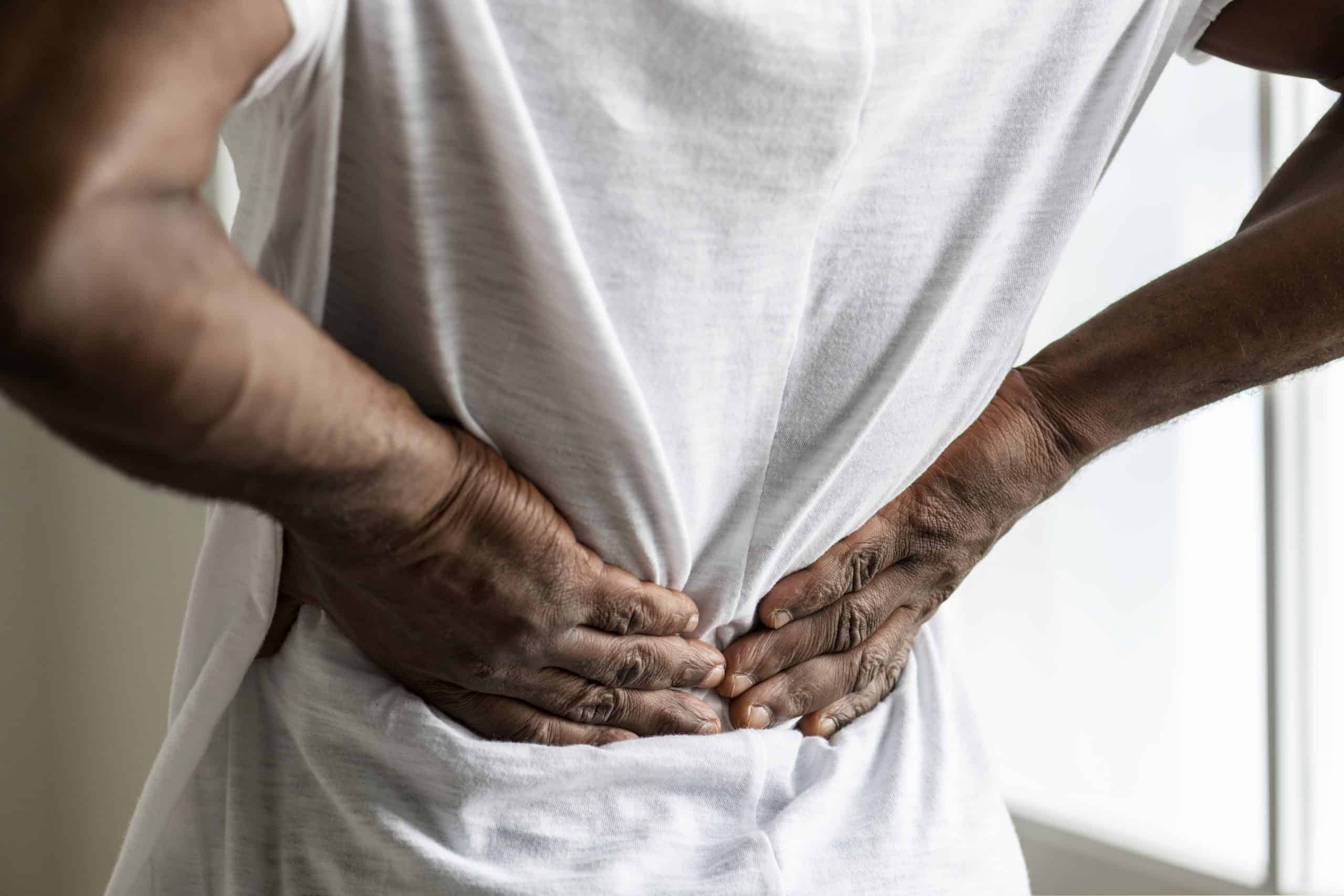
Black man suffering back pain

Does Canada Have an Opioid Epidemic?

OxyContin has annual sales of over $35 billion in the US! How? The book Crooked by CJ Ramin, explains in detail the conspiracy behind the opioid industry that continues on an international basis to this day.

The studies seem to deliberately fail to report on the true addiction and death rates related to these drugs

They ignore the fact that four out of five heroin users in the US report that their opioid use began with medically prescribed drugs. In 1986 a paper was published in the journal Pain concluding that opioids could be safely and effectively prescribed with relatively little risk of adverse effects.

It was stated that just 1% of the patients who were treated had become addicted. This paper was used by the pharmaceutical industry to promote to MDs the prescription of opioids. It was not until recently that the paper originally published in 1986 was denounced as incorrect and not a real “study”, however to date, that paper has been cited in 635 other studies.

In their propaganda, the industry marketed to MDs that opioid therapy for chronic pain was no different from providing insulin to a diabetic. It has taken two decades for the Cochrane collaboration to find no significant benefit for opioids over NSAIDs or over-the-counter Aleve. Finally, now the American Academy of Neurology states that the risks of opioids in the treatment of musculoskeletal chronic pain patients far outweigh the benefits.
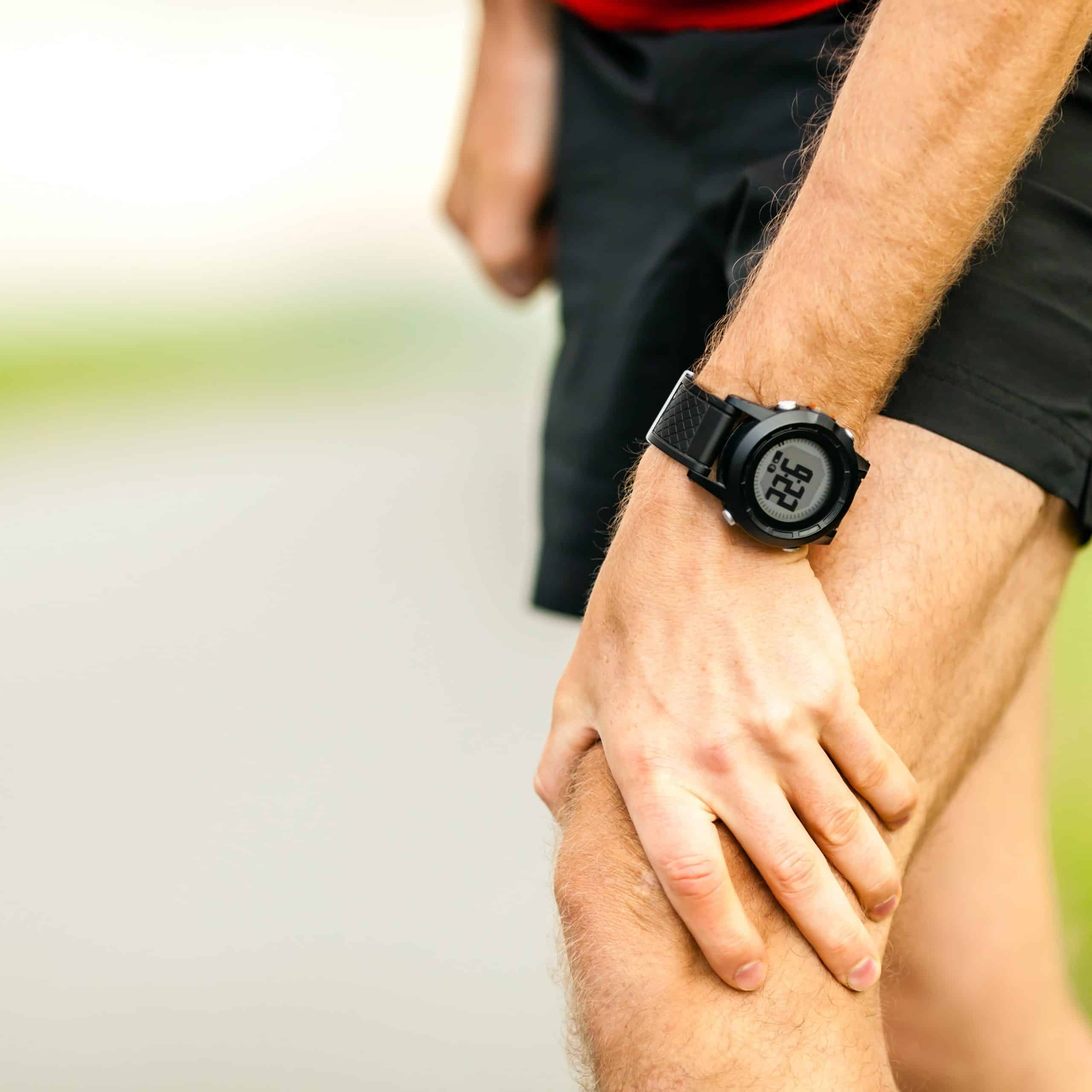
white man holding knee in pain

Canada has one of the highest per capita consumption rates of prescription opioids in the world

A staggering 21.7 million prescriptions for opioids were dispensed in Canada in 2015 alone. In Ontario, there has been a 1,566% increase in methadone maintenance treatment enrolments in the last 20 years. This increase in treatments co-insides with the rise of opioid prescriptions, suggesting a strong correlation.

There is no question that in some cases, medication is a necessity. But it isn’t always and many medications come with so many serious side-effects that can be worse than the pain itself.

asian man suffering from chronic pain in arm seeing a physiotherapist

Find a Highly Qualified Physiotherapist in the Kitchener Waterloo Region

At Target Therapeutics, our expertly trained and highly educated physiotherapists work diligently with you to get you out of pain without causing more problems down the line. They are among the best physiotherapists in the Kitchener-Waterloo region and our years of service in our community speaks for itself.

Call to speak to someone or book an appointment for physiotherapy.

Filed Under: Physiotherapy

Physiotherapy & Chiropractic as Preventative Medicine

June 9, 2020 by Target Therapeutics Leave a Comment

Senior man spending time with his grandson in their garden on a sunny day, teaching him dancing on the lawn.

Senior man spending time with his grandson in their garden on a sunny day, teaching him dancing on the lawn.

As humans, we often have to be motivated in some way before we actually take to action on so many tasks.  Life is busy and our “list” of “to do’s” can seem endless and can add considerable stress to our lives.

PAIN is not only a great motivator to call us to action to address the health problems we face, but it is also considerable stress.  When we are in pain, our ability to function is compromised and it can become impossible to cross many things off that “list.”
It may be surprising to know that physiotherapists and chiropractors and massage therapists have extensive training not only in treating existing painful dysfunctions but in preventing these dysfunctions from manifesting by identifying predisposing factors and working on their correction.
Senior couple spending time in their garden on a sunny day, planting flowers.
An experienced practitioner brings so much to the table when it comes to prevention because they have spent abundant time dealing with the causal factors of physical dysfunction and addressing those factors effectively and efficiently with symptomatic patients.  Good, experienced physiotherapists and chiropractors routinely treat many conditions that could easily be prevented with education or a stretch or two or a few sessions of manual therapy.

Part of the problem is individuals accept “pain-free” as optimal.  This is false.  The majority of individuals who invest in their health on a preventative basis whether it be with therapy or some form of suitable exercise will not only FEEL much better than the status quo — they will BE better than the status quo.

This investment will likely also make them more productive and less stressed on a number of levels and time frames.

Perhaps it is time to reassess your priorities. How important is your body to you? Is your body more important than your car?  How much do you put into preventative maintenance on your car each year? How much are you investing in the longevity of your body?

Two women stretching feet before jogging

You may have heard the saying: “An ounce of prevention is worth a pound of cure.” I would like to provide a brief illustration of this as it relates to tight hip muscles.

Reduced flexibility of the hip musculature can come on for a number of reasons including past traumas, prolonged daily sitting postures, strength training, and degenerative disc disease. When the hip muscles are tight, the hip joint capsule can also become restricted and if this is not addressed, osteoarthritis develops and progresses.

When the hip capsule is tight, the knee joint, which is a hinge joint has to take on stresses for which it is not designed. This causes the cartilage of the knee joint to wear out (osteoarthritis) and the space between the thigh bone and the shin bone in the knee is reduced.  Then the ligaments in the knee become lax because of the reduced joint space and the process of cartilage breakdown accelerates in the knee as it absorbs not only its own stresses but inappropriate stresses transmitted from the restricted hip.

Now an individual has knee pain for which they may seek therapy.  This pain can be managed, but osteoarthritis is irreversible.  Addressing the restricted hip now may reduce the knee pain to a degree, but stretching the hip with an unstable osteoarthritic knee is a substantial challenge.

Acupuncture and micro-current may now be necessary to loosen the hip in order to, in part, address the stresses prompting the knee pain.  If this same individual saw an experienced physiotherapist before the onset of pain on a preventative basis years earlier, the hip restriction could have been identified before the onset of osteoarthritis in the hip and knee.

With 5 minutes of simple independent stretching 3 times a week, initially instructed by the physiotherapist and carried out at home by the patient, this scenario could have been averted.  This is just one of many examples of the value of preventative physiotherapy and chiropractic care.

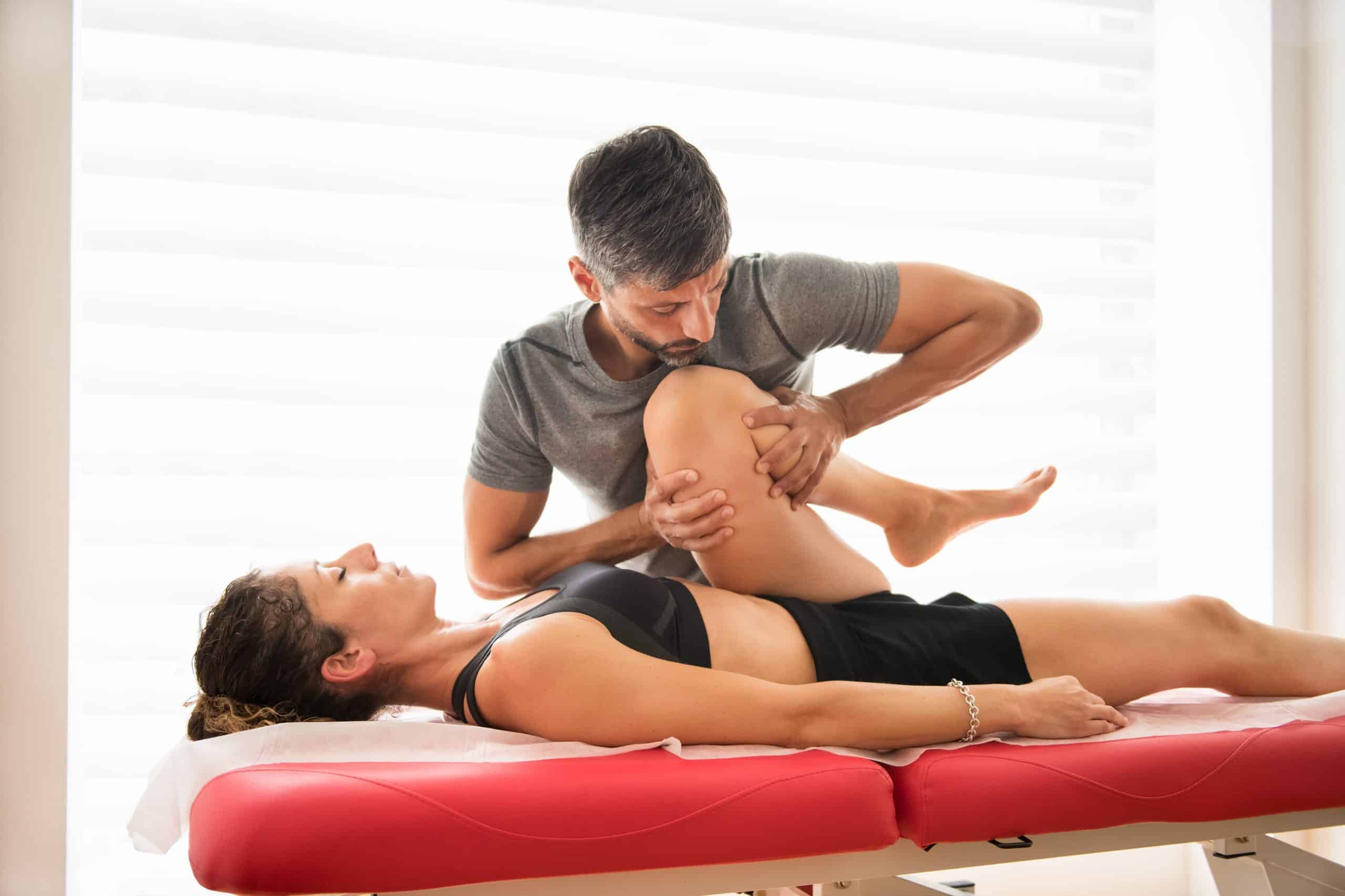
treating hip pain

As regulated health care practitioners, it falls to us to serve our public by increasing awareness of the importance of prevention.  Let us address your low back pain, hip osteoarthritis, etc., etc., before it becomes low back pain and osteoarthritis and curses you with debilitating symptoms and functional limitations.  A much larger proportion of our caseloads should be patients who are attending for preventative measures to preserve physical health and optimal function.

Don’t let pain be your only motivator.  Our practitioners are great “body mechanics.”  Take the initiative to call us today — we can help not only take you out of pain but keep you out of pain before it starts.

Make an Appointment At Target Therapeutics Today.

Filed Under: Chiropractic, Physiotherapy

Myofascial Trigger Points

May 12, 2020 by Target Therapeutics Leave a Comment

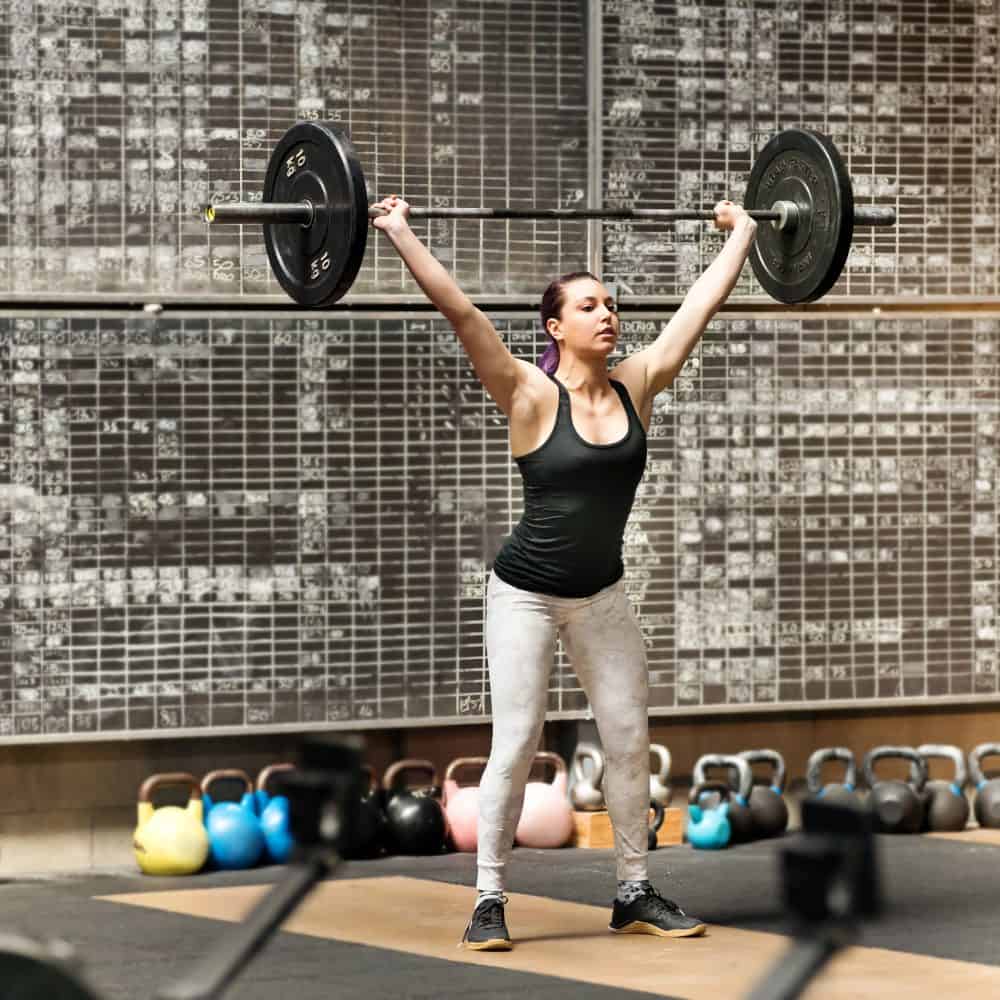
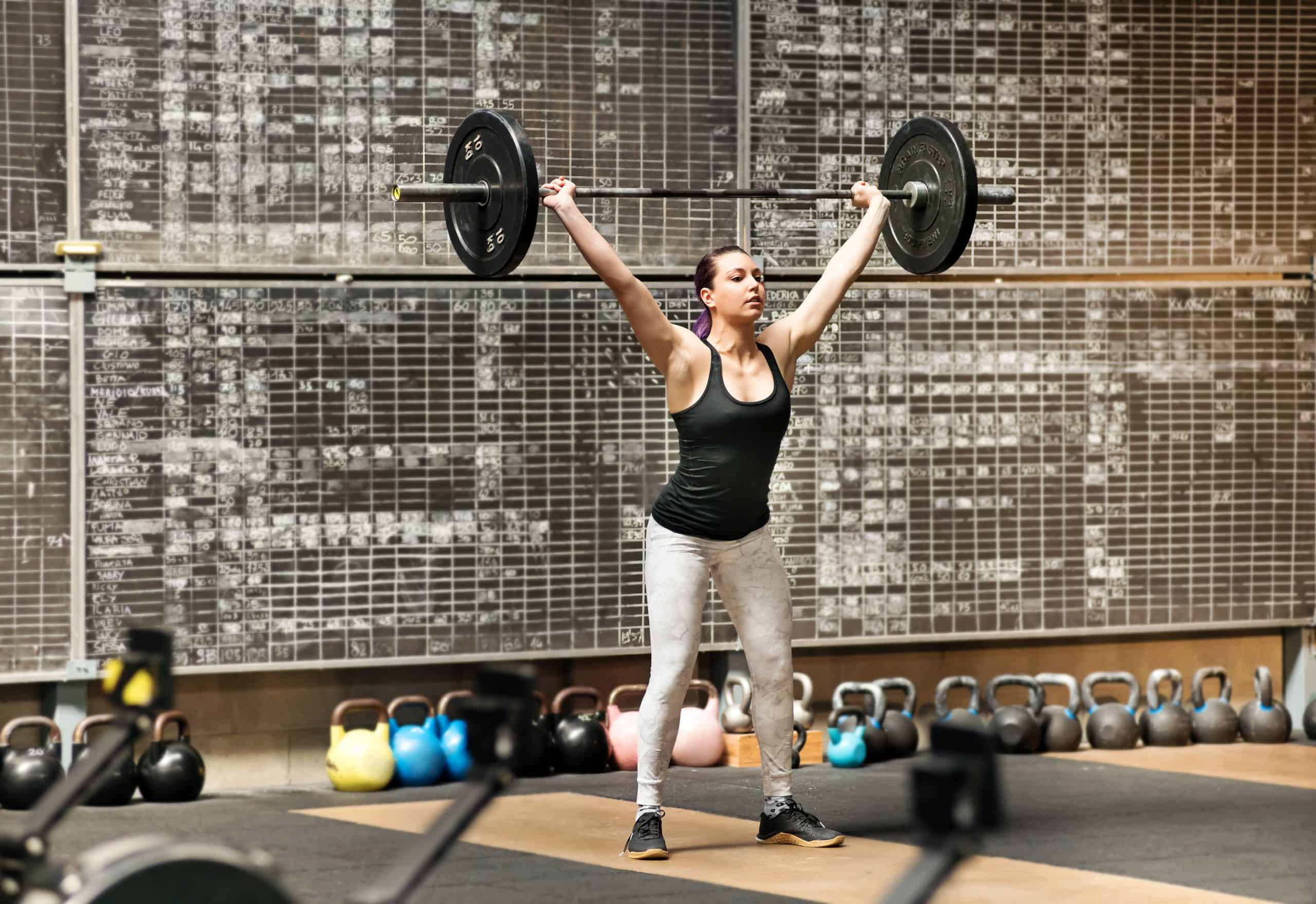
Young athletic woman doing the snatch in a gym

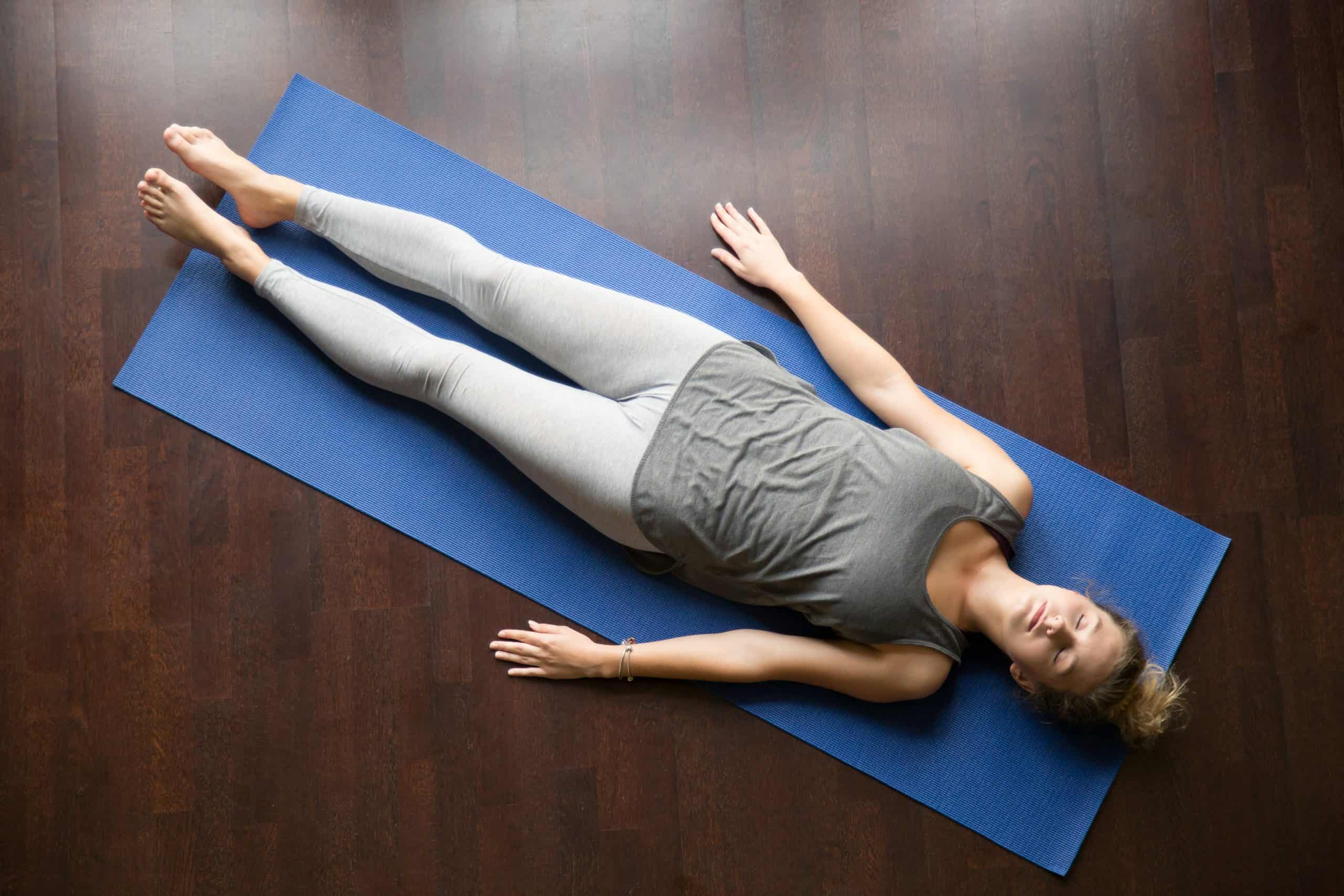
Yoga at home: resting posture

Our bodies are covered by soft tissue called fascia, and the fascia that surrounds the muscle is called myofascia.  When we end up injuring our muscles or overusing them knots can form.  These knots are actually adhesions that have formed within the myofascia itself.

These knots can cause a variety of issues ranging from pain all the way to limitations in movement.   They can refer pain into varying parts of the body and can be mistaken for more serious conditions such as a stroke or a heart attack. ‎

Trigger points are more prevalent than most people would think. They are often the cause of neck and back pain that most people suffer from and our own posture has a major role in creating these knots. Our homes and offices are major reasons that these trigger points form as well as they often cause us to slouch or strain to see the monitors. Repetitive actions such as typing,  using a mouse, or construction work is also conducive to trigger points with working in odd positions and a very repetitive work environment.

Young athletic woman doing the snatch in a gym

What can we do to help prevent trigger points?

Start by paying attention to your posture.  That is a very key step in preventing trigger points.

Core strengthening is a major player in preventing lower back pain caused by trigger points formed from overused or overstretched muscles.

Correct your monitor or television so they are set at a proper angle as to not strain your neck muscles.

One of the best things to do is to have a professional health care provider who is trained in trigger point therapy to work on your trigger points.

Filed Under: Chiropractic, Physiotherapy, Sports Medicine

What Causes Heel Spurs & How To Treat Them

April 27, 2020 by Target Therapeutics Leave a Comment

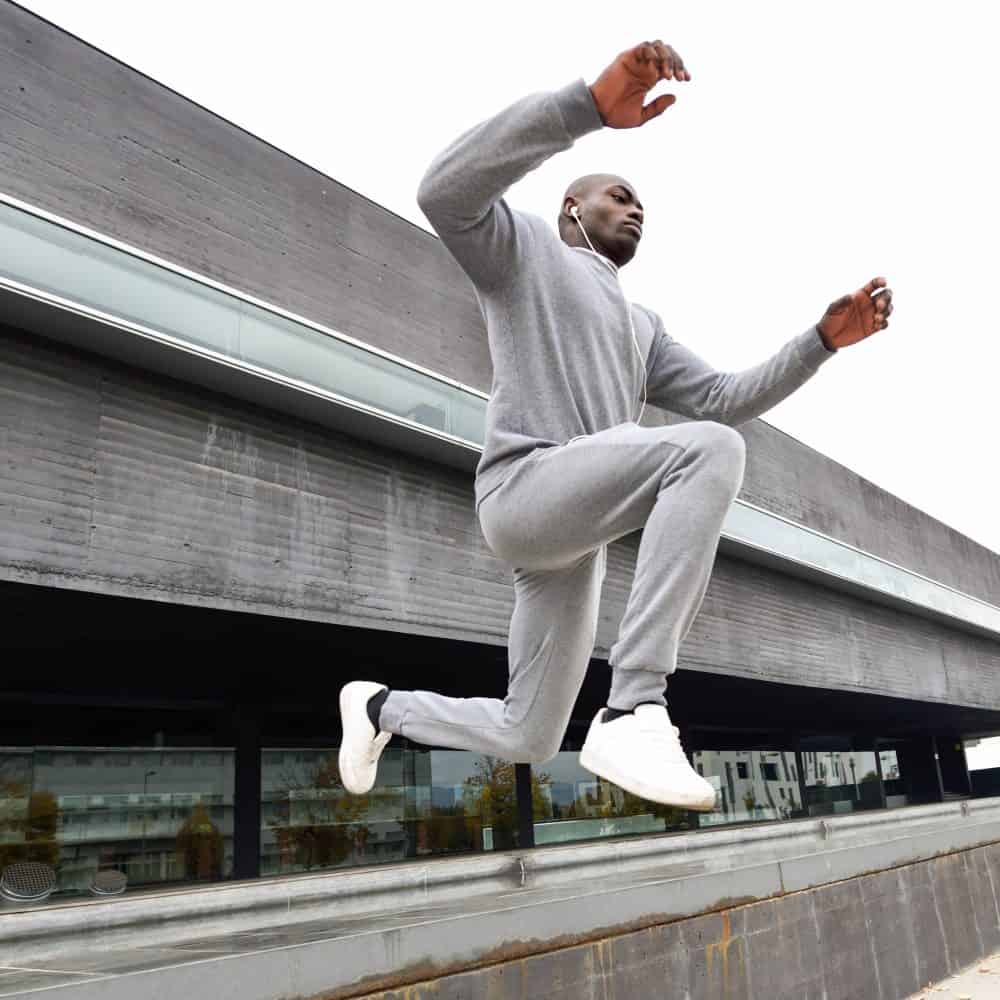
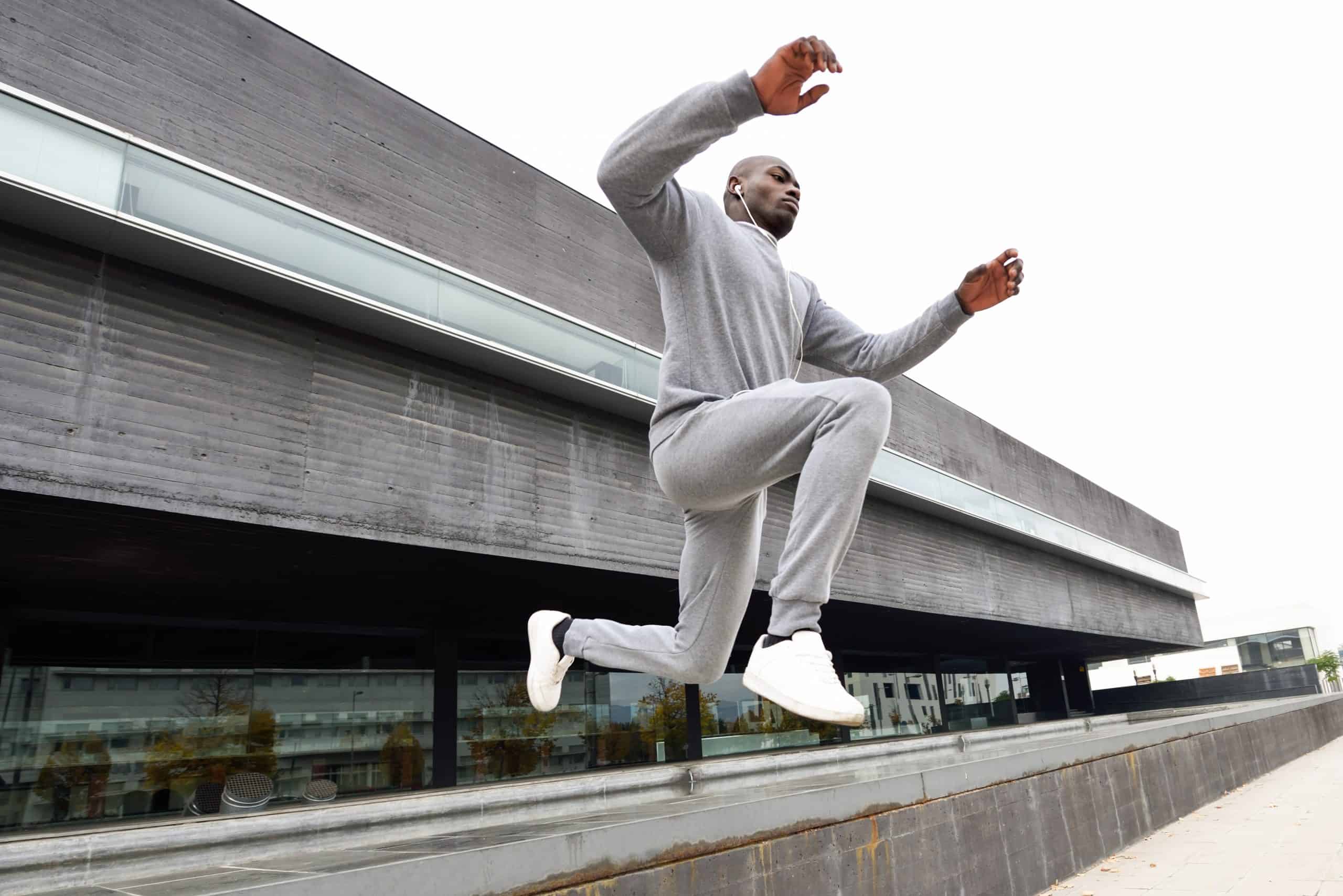
active man running and jumping with a heel spur

A heel spur is a calcium deposit causing a bony protrusion on the underside of the heel bone. On an X-ray, a heel spur can extend forward by as much as a half-inch. Without visible X-ray evidence, the condition is sometimes known as “heel spur syndrome.” Although heel spurs are often painless, they can cause heel pain.

active man running and jumping with a heel spur

What is a Heel Spur? 

Heel spurs are a common source of heel pain. Heel spurs are a bony growth attached to your heel bone (calcaneus) and grow into your foot arch.

What Causes a Heel Spur?

A heel spur is caused by chronic plantar fasciitis.

Your plantar fascia is a thick fibrous band of connective tissue originating on the bottom surface of the calcaneus (heel bone) and extending along the sole of the foot towards the toes. Your plantar fascia acts as a passive limitation to the over flattening of your arch. When your plantar fascia develops micro tears or becomes inflamed it is known as plantar fasciitis.

When plantar fasciitis healing is delayed or injury persists, your body repairs the weak and injured soft tissue with bone. These bone formations are known as heel spurs.

What are the Symptoms of a Heel Spur?

You’ll typically first notice early heel spur pain under your heel in the morning or after resting. Your heel pain will be worse with the first steps and improves with activity as it warms up.

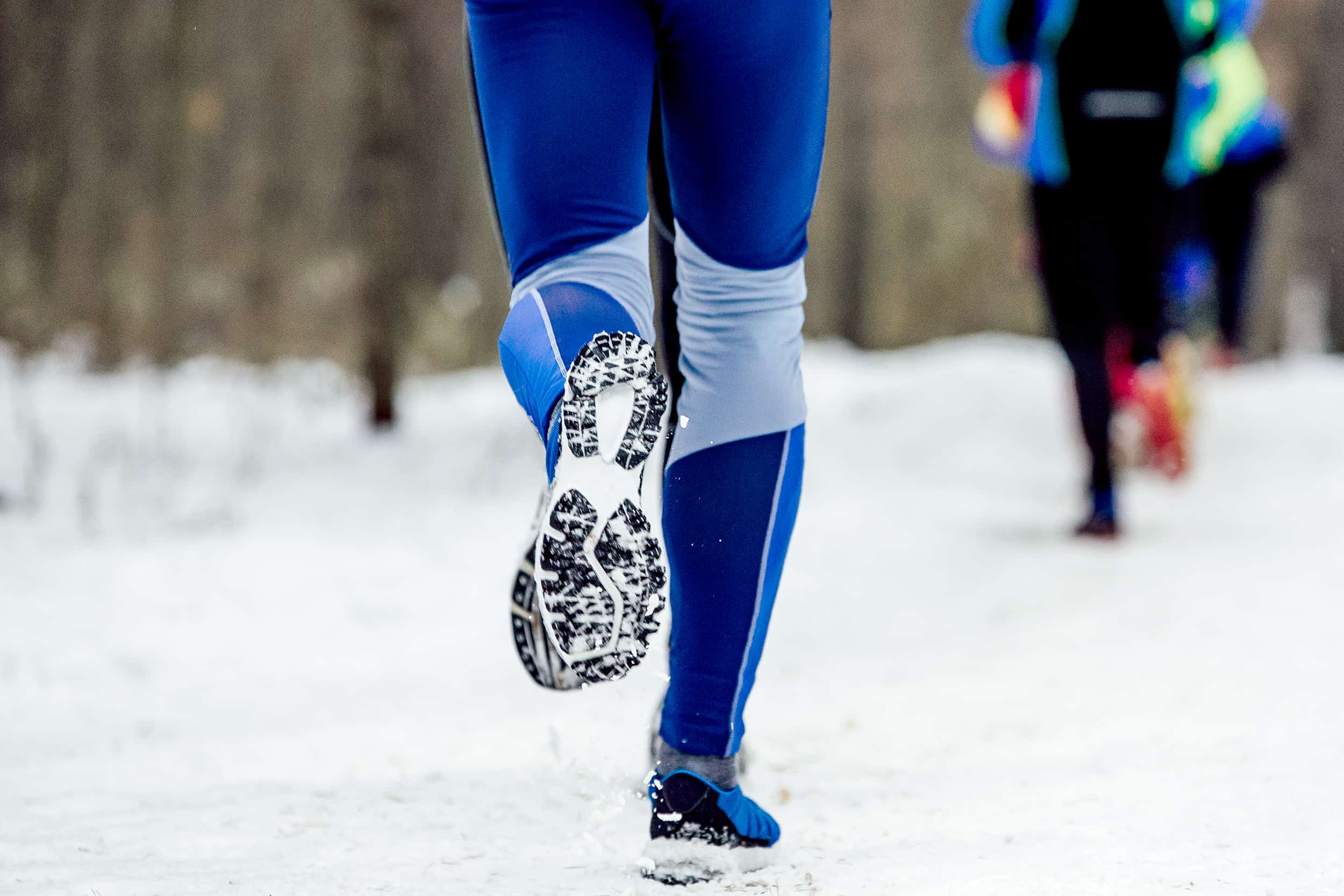
feet man runner running on snow forest trail

How Does a Heel Spur Progress?

As your heel spur grows, the pain will be present more often.

How is a Heel Spur Diagnosed?

Heel spurs and plantar fasciitis is usually diagnosed based on your symptoms, history and clinical examination.

X-rays will show calcification or bone within the plantar fascia or at its insertion into the calcaneus. This is known as a calcaneal or heel spur.

Ultrasound scans and MRI are used to identify any plantar fasciitis tears, inflammation or calcification.

Pregnant woman massaging her swollen foot sitting on bed

Risk Factors for Heel Spurs

You are more likely to develop plantar fasciitis and heel spurs if you are:

Active

Sports that place excessive stress on the heel bone and attached tissue, especially if you have tight calf muscles or a stiff ankle from a previous ankle sprain, which limits ankle movement eg. running, ballet dancing and aerobics.

Overweight or Obese

Carrying around extra weight increases the strain and stress on your plantar fascia.

Pregnant

The weight gain and swelling associated with pregnancy can cause ligaments to become more relaxed, which can lead to mechanical problems and inflammation.

On your feet A lot

Having a job that requires a lot of walking or standing on hard surfaces ie factory workers, teachers and waitresses.

Flat Feet or High Foot Arches

Changes in the arch of your foot changes the shock absorption ability and can stretch and strain the plantar fascia, which then has to absorb the additional force.

Middle-Aged or Older

With ageing, the arch of your foot may begin to sag, putting extra stress on the plantar fascia.

Wearing shoes with poor support.


Weak Foot Arch Muscles.

Muscle fatigue allows your plantar fascia to overstress and cause injury.

Arthritis.

Some types of arthritis can cause inflammation in the tendons in the bottom of your foot, which may lead to plantar fasciitis.

Diabetes.

Although doctors don’t know why plantar fasciitis occurs more often in people with diabetes.

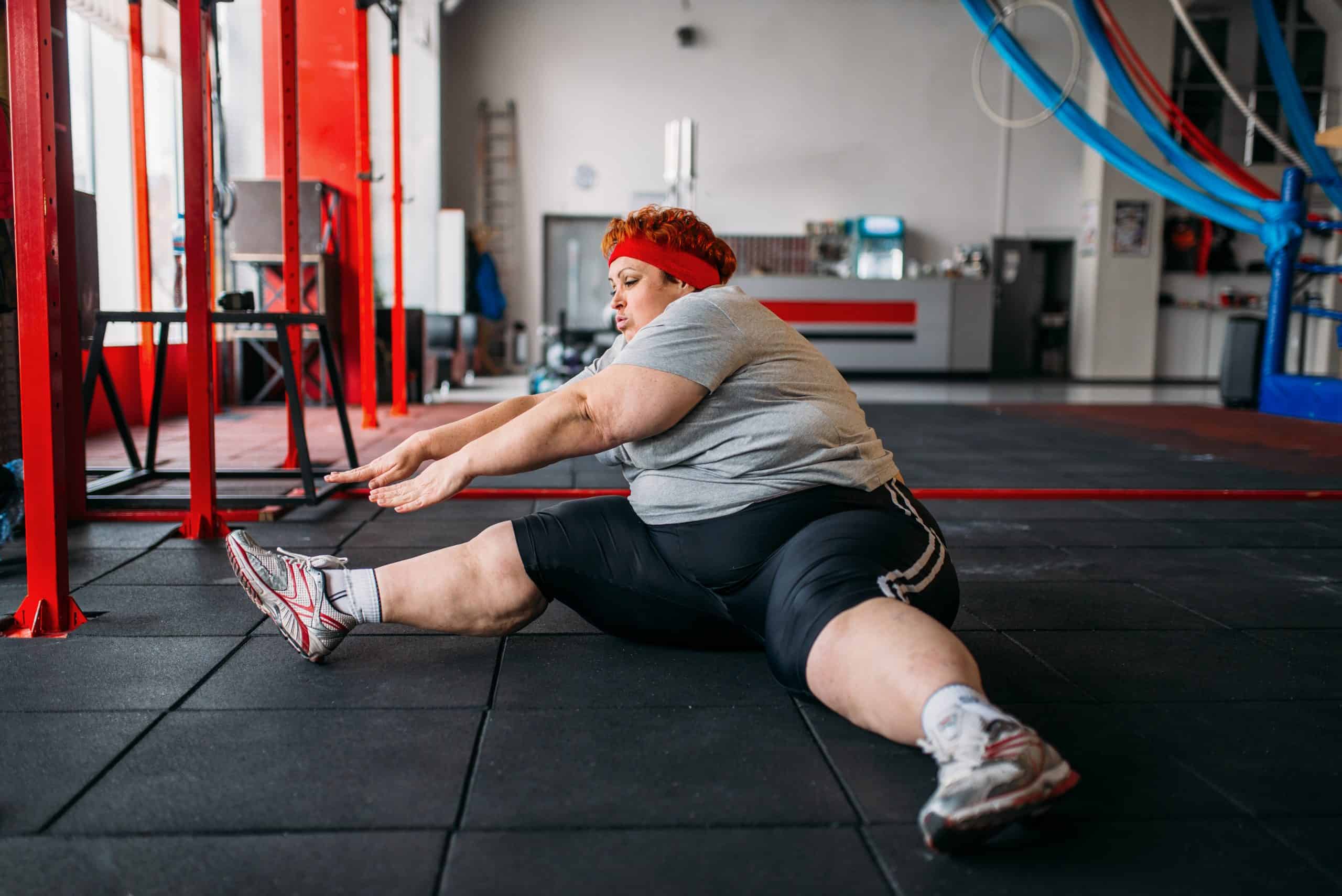
an obese woman works out in the gym

Heel Spur Prognosis

The good news is that heel spur pain is rarely permanent. Plantar fasciitis, the main cause of a heel spur, is reversible and very successfully treated. Over 90 percent of people with plantar fasciitis or heel spurs improve significantly with physiotherapy treatment. While you may continue to see a heel spur on Xray, once you settle the inflammation adjacent to your heel spur, the heel pain will resolve.

Heel Spur Treatment

Due to poor foot biomechanics being the primary cause of your plantar fasciitis it is vital to thoroughly assess and correct your foot and leg biomechanics to prevent future plantar fasciitis episodes or the development of a heel spur.

Our Certified Pedorthist is an expert in foot assessment and its dynamic biomechanical correction who is an expert in the prescription on passive foot devices such as orthotics.

Active foot stabilization exercises are an excellent long-term solution to prevent and control heel spurs and plantar fasciitis.

Ultimately, biomechanical correction is the aim. Foot intrinsic muscle strengthening (including tibialis posterior and peroneus longus) and calf (gastrocnemius and soleus) stretches are almost always required.

Cases of moderate to severe biomechanical deformity should be referred for physiotherapy or podiatric assessment to prevent chronic recurrence. NSAID’s and corticosteroid injection is most effective when combined with biomechanical correction.

Mechanical treatment that involves taping and orthoses has been shown to be more effective than either anti-inflammatories or accommodative modalities.

Plantar fascia night splints essentially overstretch the plantar fascia, which may provide you with some short-term relief, but ultimately elongates your passive arch structures. The medium and long-term benefits make no sense of this rationale. On the contrary, permanent elongation will predispose you to flatter arches and more likelihood of recurrent heel pain. Based on this we do NOT currently recommend plantar fascia night splints in most instances.

Two women stretching feet before jogging

What Happens If You Do Nothing?

Left untreated, heel spurs grow larger and usually become excessively painful. For more specific advice about your heel spur or plantar fasciitis call our clinic


Make an appointment with our Certified Pedorthist today.

Filed Under: Certified Pedorthist

Treatment For Hip Disorders: Osteoarthritis & Bursitis 

April 2, 2020 by Target Therapeutics Leave a Comment

Elderly woman outdoors with lower back pain

Our hip joints allow us to do an amazing number of things – walk on two legs, pivot, squat, even kick a ball. It is an engineering marvel to combine the stability required to balance the weight of the torso over a structure the size of a golf ball, with the substantial degree of mobility available. The high demands on the hip joints can, however, take their toll over a lifetime.

treating hip pain

Osteoarthritis is the most common hip disorder affecting adults. Primary osteoarthritis (OA) has no recognizable cause, while secondary OA is thought to occur due to altered joint mechanics or following joint trauma.  Obesity, excessive loading due to occupational or sport demands can contribute to the breakdown of articular cartilage. There is likely a genetic component as well. Muscle imbalances around the hip are also predisposing factors, as shearing forces or high compression load will cause abnormal wear and tear. Alignment issues of the low back, pelvis and leg can also contribute to abnormal forces around the joint.

Muscle imbalances occur as a result of weak, tight, or inappropriately recruited muscles. Our neuro-muscular system can develop certain abnormal pathways of firing, creating suboptimal movement, and potential damage to joint structures. If these are retrained before the cartilage damage is severe, it can halt the progression and reduce the symptoms of arthritis.

Elderly woman outdoors with lower back pain

One of the most important groups of muscles for maintaining optimal compression and centring the ball, (or head) of the femur in its socket are the Gluteal muscles on the lateral side of the hip. Core strength and balance are also very important components of optimal hip health.

A second common diagnosis of hip pain is trochanteric bursitis. The most prominent lateral point on the hip bone is called the greater trochanter.  It was commonly thought that the bursa overlying this point was the most common local cause of lateral hip pain. However, in a recent study, using real-time ultrasound, 80% of patients with lateral hip pain did NOT have bursitis. 50% of the 877 patients studied had tendinosis of their gluteal muscles, ie. a degeneration of the deep hip rotators tendon’s collagen in response to overuse, occurring when other stabilizer muscles weaken. It is part of what has been labelled Greater Trochanteric Pain Syndrome (GTPS).

treating hip pain

Symptoms of both OA and GTPS can be similar. Pain from OA is usually felt in one or more of the following areas: the groin (most common), over the greater trochanter, or down the front of the thigh and knee. Usually, arthritis pain is reported with or after activity, progressing to pain at night or at rest.

With GTPS, point tenderness is noted at or behind the greater trochanter, typically worse at night, especially when lying on the affected side.  Lateral hip pain with repeated stair climbing and squatting is more likely due to GTPS.

Elderly woman outdoors with back pain

Maintaining adequate strength and flexibility of the hip muscles is an important component of treatment and prevention of both hip osteoarthritis and trochanteric pain syndrome. Physiotherapists are trained to assess these disorders. They can prescribe individual exercise where deficits in strength, mobility and balance are noted.

Filed Under: Chiropractic, Physiotherapy

What To Do About Your Flat Feet

March 9, 2020 by Target Therapeutics Leave a Comment

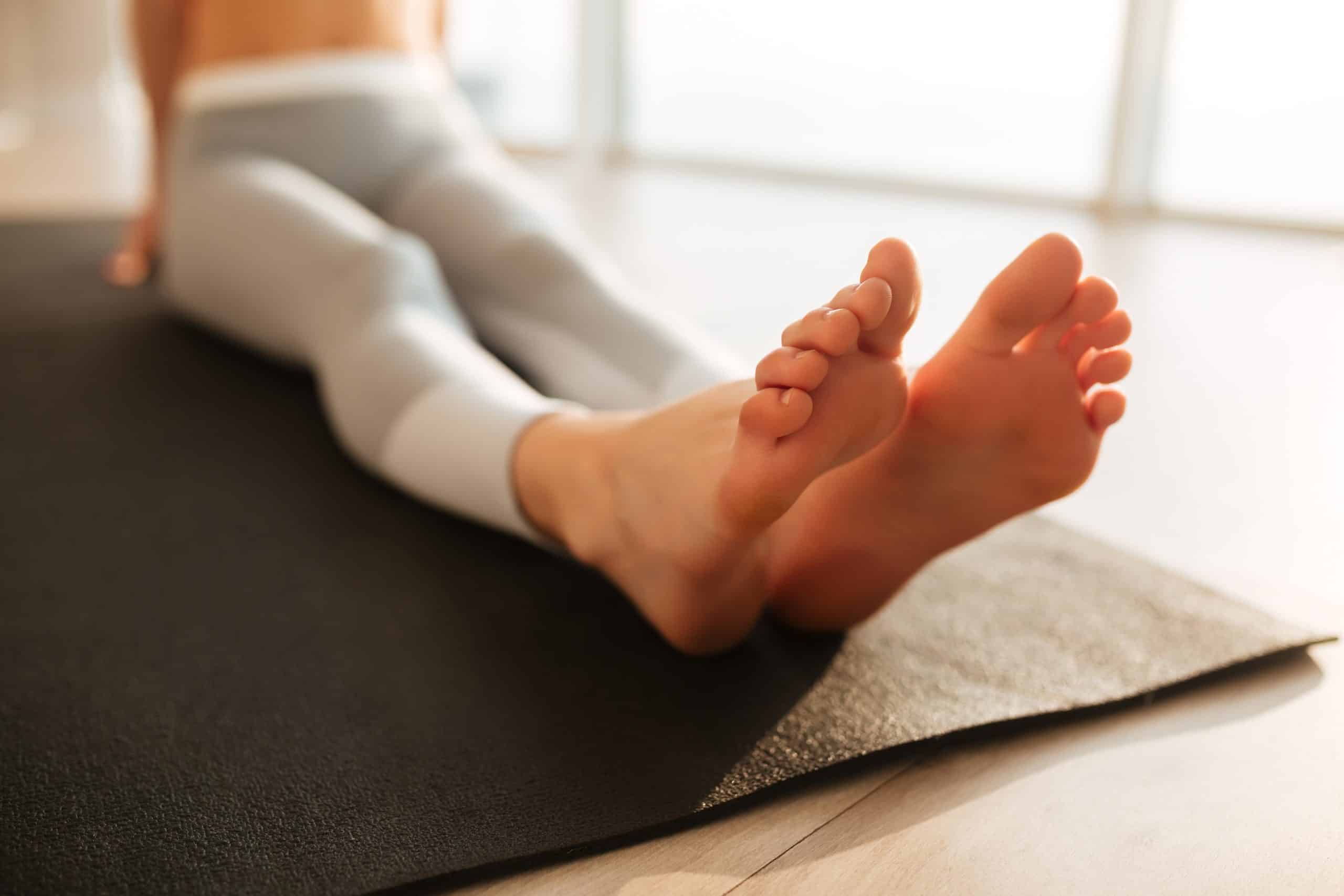
Female feet on yoga mat at home

Female feet on yoga mat at home

What are Flat Feet?

Pes planus or flat feet is a postural deformity relating to the collapse or flattening of the medial longitudinal arch. It can also be referred to as hyperpronation or overpronation. Although there are varying degrees of collapse, people are still able to live completely pain-free with flat feet.

What Causes Flat Feet?

This condition can be congenital (e.g. from birth) or acquired (e.g. adults, increased exposure to weight-bearing).

Congenital flat feet occur when someone is born with or predisposed to having a more flexible midfoot region resulting in pronation or collapsing of the arch. Ethnicity is an important factor surrounding flat feet, with the condition being more likely in certain indigenous cultures.

Acquired flat feet are caused by a loss of active (e.g. intrinsic foot and ankle stabilizers) or passive support (ligamentous laxity, hypermobile joints) during dynamic weight-bearing activities. Muscular insufficiency in the ankle and arch stabilizers are the most common etiological factor for flat feet.

How Do Flat Feet Progress?

Flat feet progress slowly as you increase your feet’s exposure to weight-bearing activities. The two most common progressions from flat feet are foot deformities and bony stress injuries.

In the active person, hyperpronation alters the load transference up through the leg and can cause stress responses such as shin splints and in the worst case, stress fractures.

At the opposite end, the bones through your foot are also exposed to altered loads potentially causing a bunion. As seen in the image, the midfoot pronation and collapse of the arch change the line of force to the outside of the first metatarsal (from green to red), creating the bony protrusion. As the head of the metatarsal is forced out, the rest of the big toe is forced inwards further accentuating the bunion.

How are Flat Feet Diagnosed?

Your Certified Pedorthist will observe you conducting numerous single leg tasks in order to investigate your overall dynamic control, from your foot and ankle to your hips. This will include activities that challenge your strength, endurance, proprioception, and balance. Integrated into the entire kinetic chain, the main focus will be identifying any active insufficiencies through your arch and its’ respective stabilizers.

In some cases, a weight-bearing Xray may be ordered in order to investigate the integrity and dynamic control of the specific joints of the arch under stress and load.

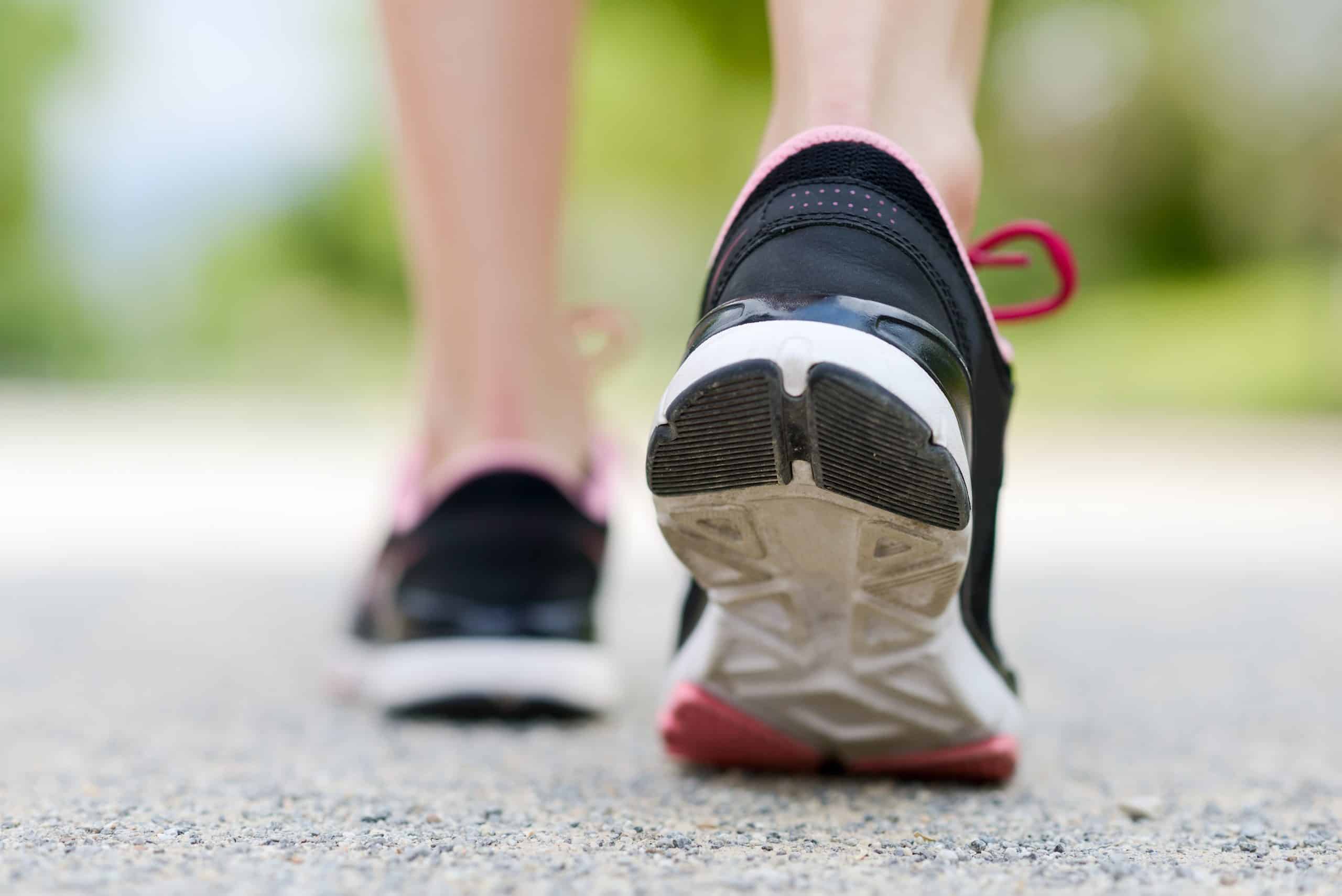
Woman feet running on road closeup on shoe

Flat Feet Treatment

Treatment can vary largely considering the broad etiological factors. Below is a range of treatment directions focussing primarily on improving the active stabilization of the foot and ankle to endeavour to correct the flat feet deformity.

Restore Intrinsic Muscle Control and Foot Arch Biomechanics

Your foot arch is dynamically controlled via important intrinsic plantar muscles, which may be weak or have poor endurance. These foot muscles have a vital role in dynamically stabilizing the base of your foot plus preventing overpronation of the midfoot and loading through your plantar fascia.

Dynamic Foot Posture Exercises

Any deficiencies will be an important component of your rehabilitation. Your physiotherapist is an expert in the assessment and correction of your dynamic foot control. They will be able to help you to restore your normal foot biomechanics and provide you with foot stabilization exercises to alleviate any deficiencies.

Custom Orthotics

After your biomechanical assessment, you may be recommended a soft temporary orthotic to help provide protection and relief through over-loaded structures. If your physiotherapist deems an orthotic will be of benefit for long-term use, a referral to your local podiatrist for a specialized orthotic may be recommended. The good news is that most flat feet sufferers will not need permanent passive arch support such as an orthotic.

At Target Therapeutics, our Certified Pedorthist can make sure you get the best possible custom orthotics.

Restore Normal Calf & Leg Muscle Control

You may find it difficult to comprehend, but all of your leg (calf, thigh and hip) muscles play an important role in controlling your ankle position and foot arch mechanics. Your physiotherapist will assess your leg muscle function and provide you with the necessary treatment or exercises to correct any ankle, knee or hip stabilizer insufficiency. Ask your physiotherapist for more specific advice.

Footwear Analysis

Sometimes it is poorly designed footwear that can predispose you to acquire flat feet or an associated injury. If you do suffer pain or discomfort that is impacting your active lifestyle, you should seek the professional advice of your healthcare practitioner to assist your ability to determine the best footwear for your feet.

Do you suffer from flat feet? You’re not alone. There are many possible solutions that can help you immensely.


Filed Under: Certified Pedorthist, Remedies, Running

« Previous Page
Next Page »

Footer

230 East Avenue
Kitchener, Ontario N2H 1Z4

Click To Call: 519-593-2354
E: [email protected]
Fax: (519) 569-8215

  • Make An Appointment
  • Services
  • Therapies
  • Meet Our Practitioners
  • Rates + Insurance
  • About Us
  • Contact

Copyright © 2026 TARGET THERAPEUTICS | 230 EAST AVENUE | KITCHENER ONTARIO | 519.593.2354