Our hip joints allow us to do an amazing number of things – walk on two legs, pivot, squat, even kick a ball. It is an engineering marvel to combine the stability required to balance the weight of the torso over a structure the size of a golf ball, with the substantial degree of mobility available. The high demands on the hip joints can, however, take their toll over a lifetime.
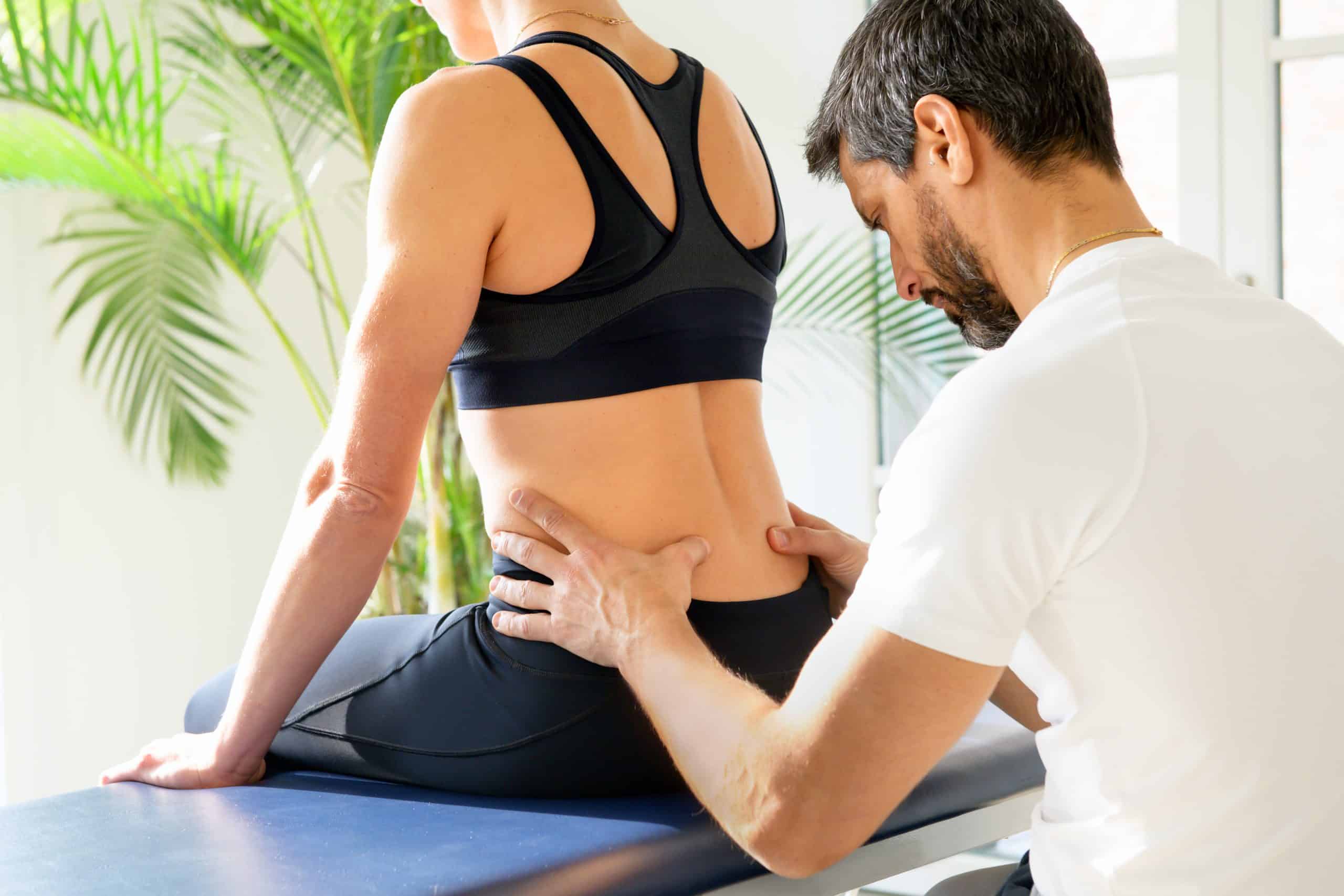
Osteoarthritis is the most common hip disorder affecting adults. Primary osteoarthritis (OA) has no recognizable cause, while secondary OA is thought to occur due to altered joint mechanics or following joint trauma. Obesity, excessive loading due to occupational or sport demands can contribute to the breakdown of articular cartilage. There is likely a genetic component as well. Muscle imbalances around the hip are also predisposing factors, as shearing forces or high compression load will cause abnormal wear and tear. Alignment issues of the low back, pelvis and leg can also contribute to abnormal forces around the joint.
Muscle imbalances occur as a result of weak, tight, or inappropriately recruited muscles. Our neuro-muscular system can develop certain abnormal pathways of firing, creating suboptimal movement, and potential damage to joint structures. If these are retrained before the cartilage damage is severe, it can halt the progression and reduce the symptoms of arthritis.

One of the most important groups of muscles for maintaining optimal compression and centring the ball, (or head) of the femur in its socket are the Gluteal muscles on the lateral side of the hip. Core strength and balance are also very important components of optimal hip health.
A second common diagnosis of hip pain is trochanteric bursitis. The most prominent lateral point on the hip bone is called the greater trochanter. It was commonly thought that the bursa overlying this point was the most common local cause of lateral hip pain. However, in a recent study, using real-time ultrasound, 80% of patients with lateral hip pain did NOT have bursitis. 50% of the 877 patients studied had tendinosis of their gluteal muscles, ie. a degeneration of the deep hip rotators tendon’s collagen in response to overuse, occurring when other stabilizer muscles weaken. It is part of what has been labelled Greater Trochanteric Pain Syndrome (GTPS).
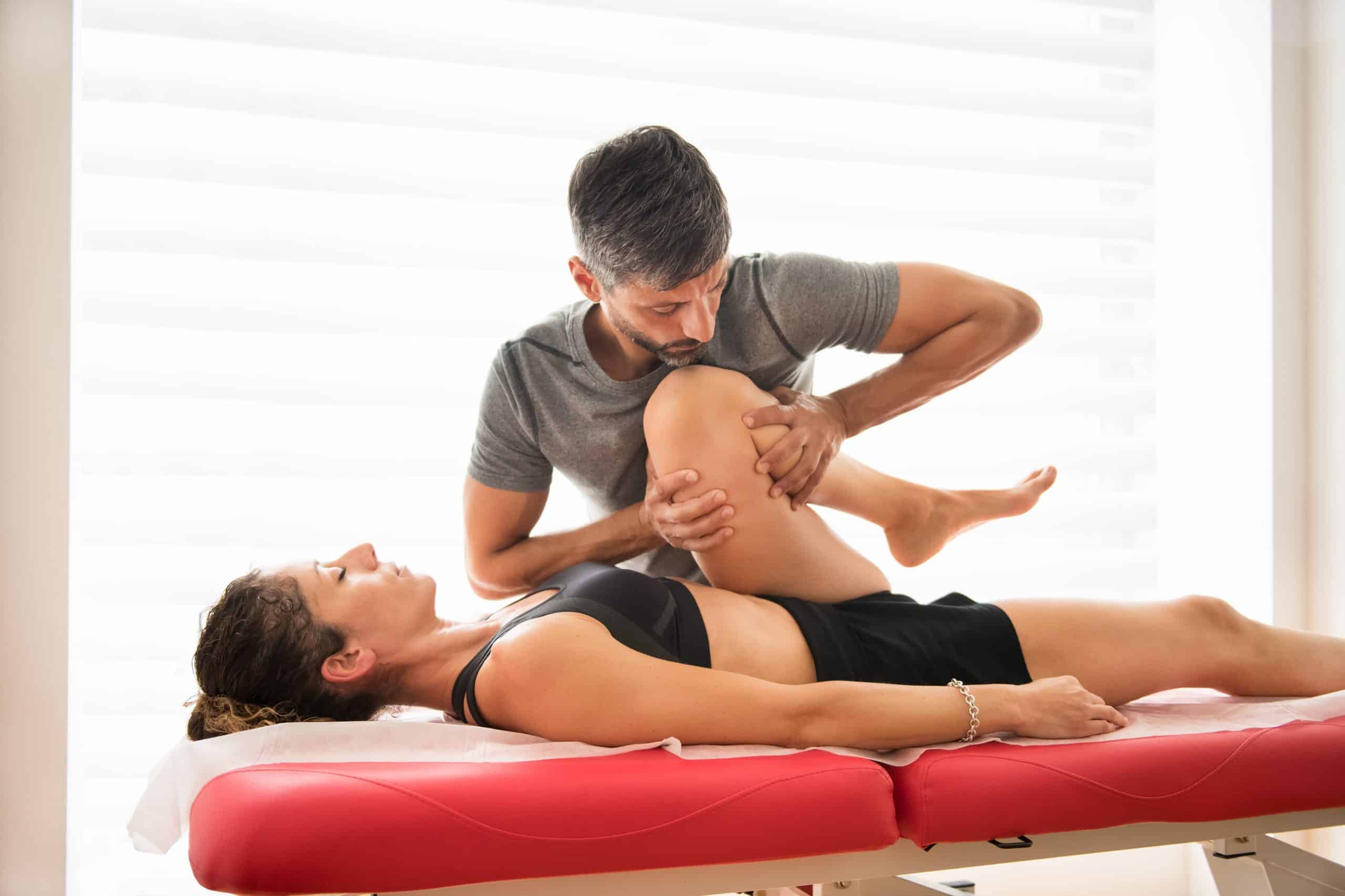
Symptoms of both OA and GTPS can be similar. Pain from OA is usually felt in one or more of the following areas: the groin (most common), over the greater trochanter, or down the front of the thigh and knee. Usually, arthritis pain is reported with or after activity, progressing to pain at night or at rest.
With GTPS, point tenderness is noted at or behind the greater trochanter, typically worse at night, especially when lying on the affected side. Lateral hip pain with repeated stair climbing and squatting is more likely due to GTPS.

Maintaining adequate strength and flexibility of the hip muscles is an important component of treatment and prevention of both hip osteoarthritis and trochanteric pain syndrome. Physiotherapists are trained to assess these disorders. They can prescribe individual exercise where deficits in strength, mobility and balance are noted.

Leave a Reply