• Skip to primary navigation
  • Skip to main content
  • Skip to footer

Target Therapeutics

Getting You Out Of Pain & Keeping You There | Kitchener-Waterloo Physiotherapy | Chiro | RMT

  • Make An Appointment
    • Book ONLINE NOW!
    • Hours
    • New Patient Forms
  • Services
    • Chiropractic
    • Physiotherapy
    • Registered Massage Therapy
    • Certified Pedorthist
    • Registered Social Worker
  • Therapies
  • Meet Our Practitioners
    • Chiropractors
    • Physiotherapists
    • Registered Massage Therapists
    • Certified Pedorthists
  • Rates + Insurance
  • About Us
    • Gallery
    • F.A.Q
    • New Patient Forms
    • Notable Patients
    • Careers
    • Privacy Policy
  • Contact

Physiotherapy

Myofascial Trigger Points

May 12, 2020 by Target Therapeutics Leave a Comment

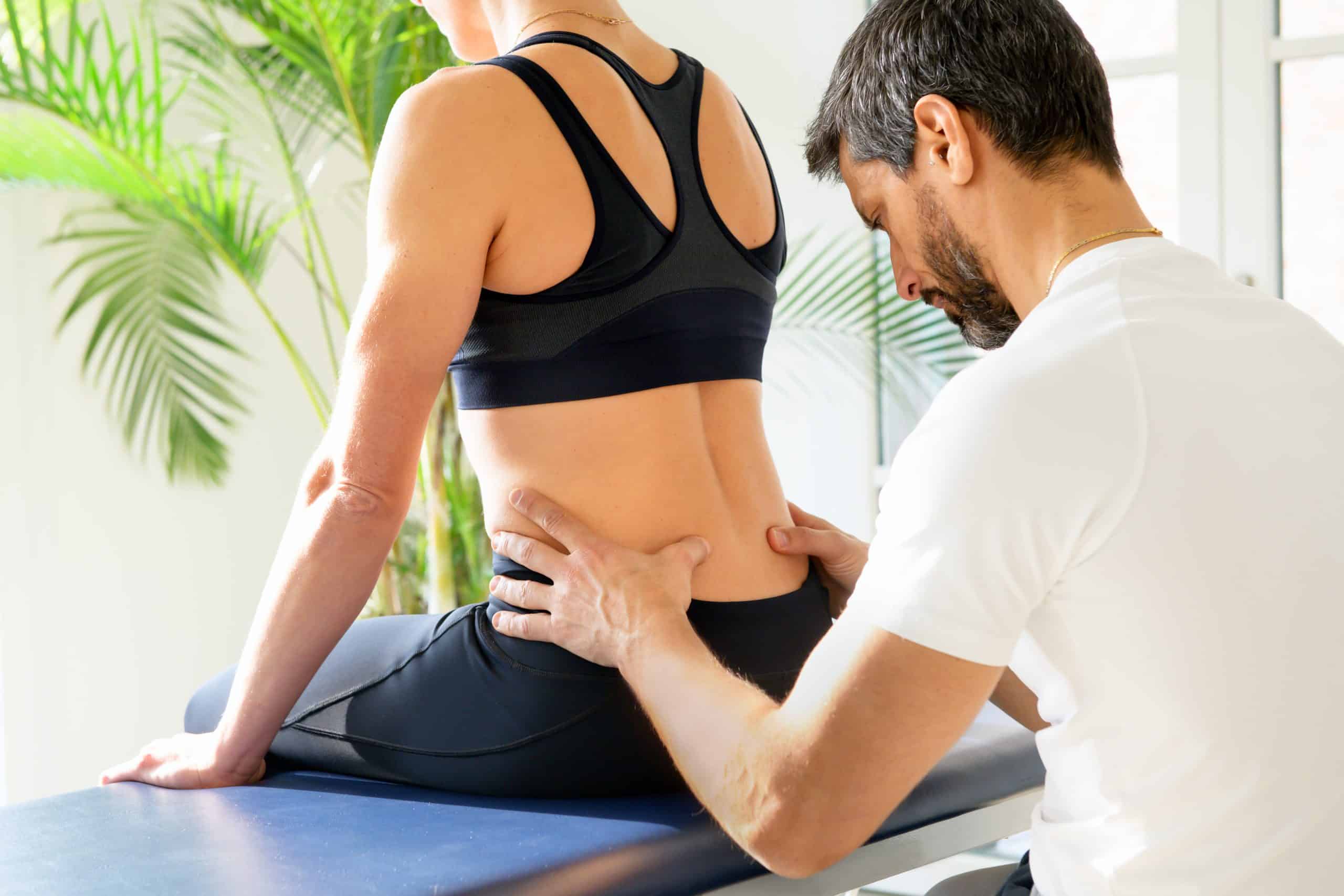
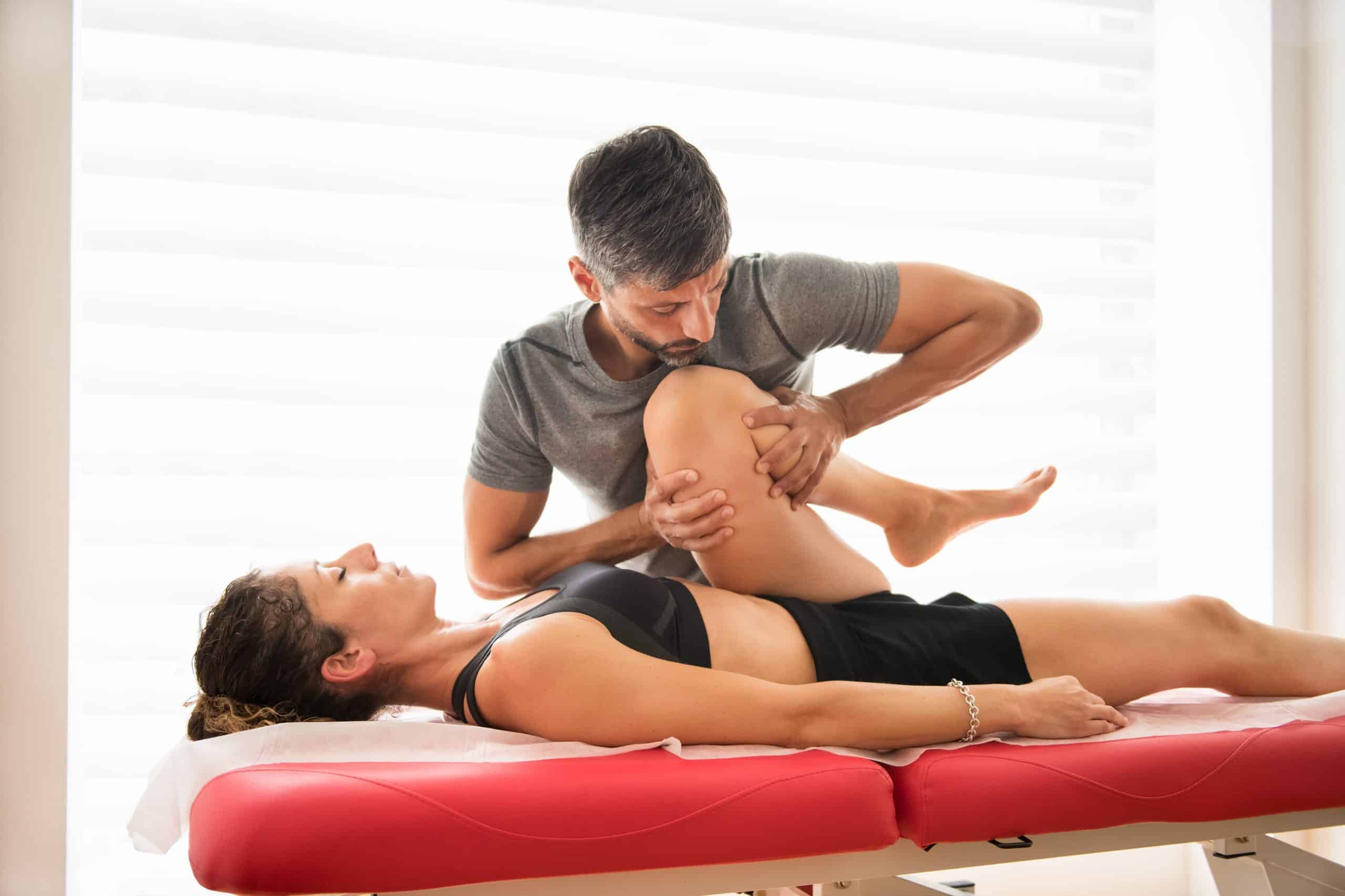
Young athletic woman doing the snatch in a gym

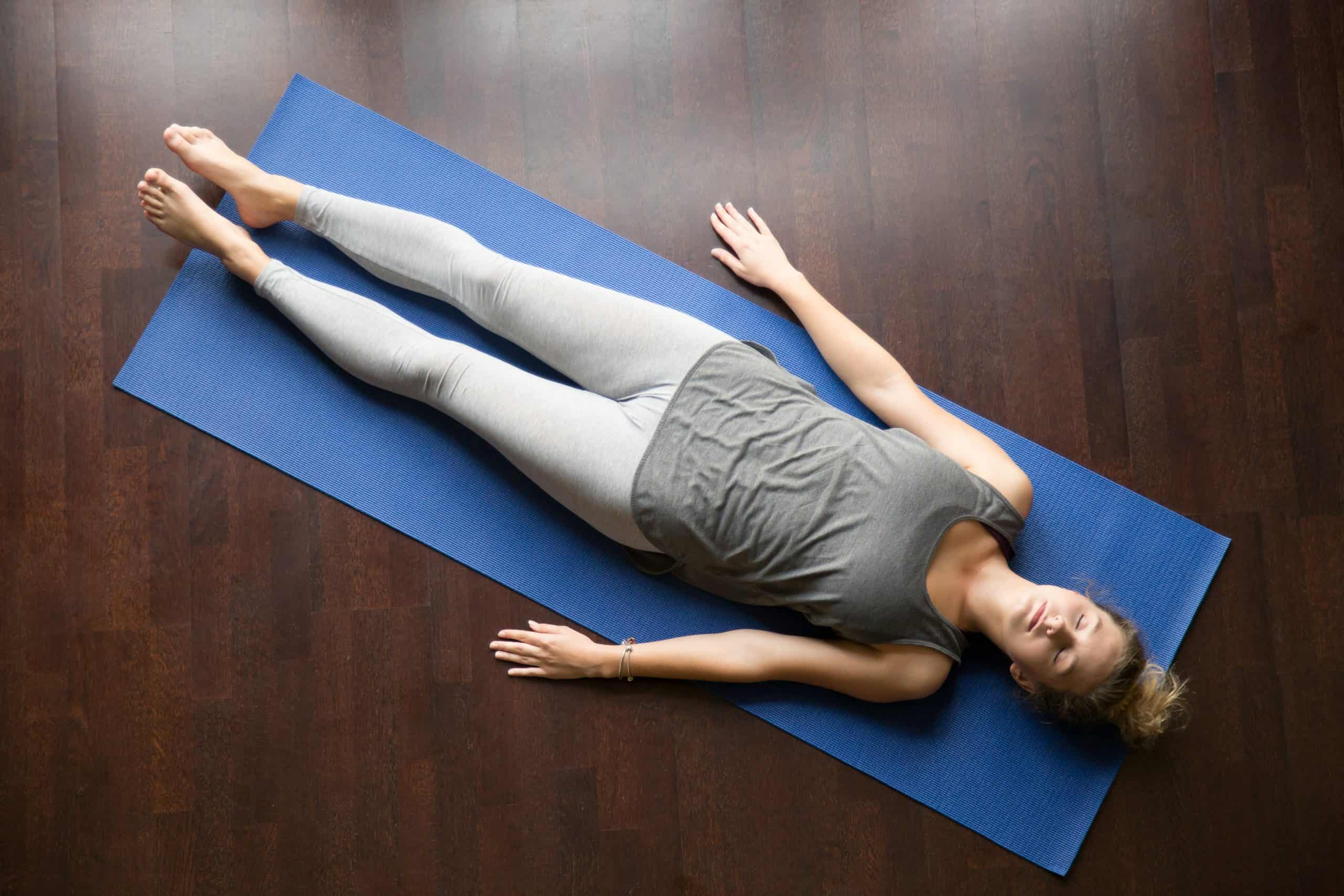
Yoga at home: resting posture

Our bodies are covered by soft tissue called fascia, and the fascia that surrounds the muscle is called myofascia.  When we end up injuring our muscles or overusing them knots can form.  These knots are actually adhesions that have formed within the myofascia itself.

These knots can cause a variety of issues ranging from pain all the way to limitations in movement.   They can refer pain into varying parts of the body and can be mistaken for more serious conditions such as a stroke or a heart attack. ‎

Trigger points are more prevalent than most people would think. They are often the cause of neck and back pain that most people suffer from and our own posture has a major role in creating these knots. Our homes and offices are major reasons that these trigger points form as well as they often cause us to slouch or strain to see the monitors. Repetitive actions such as typing,  using a mouse, or construction work is also conducive to trigger points with working in odd positions and a very repetitive work environment.

Young athletic woman doing the snatch in a gym

What can we do to help prevent trigger points?

Start by paying attention to your posture.  That is a very key step in preventing trigger points.

Core strengthening is a major player in preventing lower back pain caused by trigger points formed from overused or overstretched muscles.

Correct your monitor or television so they are set at a proper angle as to not strain your neck muscles.

One of the best things to do is to have a professional health care provider who is trained in trigger point therapy to work on your trigger points.

Filed Under: Chiropractic, Physiotherapy, Sports Medicine

Treatment For Hip Disorders: Osteoarthritis & Bursitis 

April 2, 2020 by Target Therapeutics Leave a Comment

Elderly woman outdoors with lower back pain

Our hip joints allow us to do an amazing number of things – walk on two legs, pivot, squat, even kick a ball. It is an engineering marvel to combine the stability required to balance the weight of the torso over a structure the size of a golf ball, with the substantial degree of mobility available. The high demands on the hip joints can, however, take their toll over a lifetime.

treating hip pain

Osteoarthritis is the most common hip disorder affecting adults. Primary osteoarthritis (OA) has no recognizable cause, while secondary OA is thought to occur due to altered joint mechanics or following joint trauma.  Obesity, excessive loading due to occupational or sport demands can contribute to the breakdown of articular cartilage. There is likely a genetic component as well. Muscle imbalances around the hip are also predisposing factors, as shearing forces or high compression load will cause abnormal wear and tear. Alignment issues of the low back, pelvis and leg can also contribute to abnormal forces around the joint.

Muscle imbalances occur as a result of weak, tight, or inappropriately recruited muscles. Our neuro-muscular system can develop certain abnormal pathways of firing, creating suboptimal movement, and potential damage to joint structures. If these are retrained before the cartilage damage is severe, it can halt the progression and reduce the symptoms of arthritis.

Elderly woman outdoors with lower back pain

One of the most important groups of muscles for maintaining optimal compression and centring the ball, (or head) of the femur in its socket are the Gluteal muscles on the lateral side of the hip. Core strength and balance are also very important components of optimal hip health.

A second common diagnosis of hip pain is trochanteric bursitis. The most prominent lateral point on the hip bone is called the greater trochanter.  It was commonly thought that the bursa overlying this point was the most common local cause of lateral hip pain. However, in a recent study, using real-time ultrasound, 80% of patients with lateral hip pain did NOT have bursitis. 50% of the 877 patients studied had tendinosis of their gluteal muscles, ie. a degeneration of the deep hip rotators tendon’s collagen in response to overuse, occurring when other stabilizer muscles weaken. It is part of what has been labelled Greater Trochanteric Pain Syndrome (GTPS).

treating hip pain

Symptoms of both OA and GTPS can be similar. Pain from OA is usually felt in one or more of the following areas: the groin (most common), over the greater trochanter, or down the front of the thigh and knee. Usually, arthritis pain is reported with or after activity, progressing to pain at night or at rest.

With GTPS, point tenderness is noted at or behind the greater trochanter, typically worse at night, especially when lying on the affected side.  Lateral hip pain with repeated stair climbing and squatting is more likely due to GTPS.

Elderly woman outdoors with back pain

Maintaining adequate strength and flexibility of the hip muscles is an important component of treatment and prevention of both hip osteoarthritis and trochanteric pain syndrome. Physiotherapists are trained to assess these disorders. They can prescribe individual exercise where deficits in strength, mobility and balance are noted.

Filed Under: Chiropractic, Physiotherapy

Concussion Management

February 3, 2020 by Target Therapeutics Leave a Comment

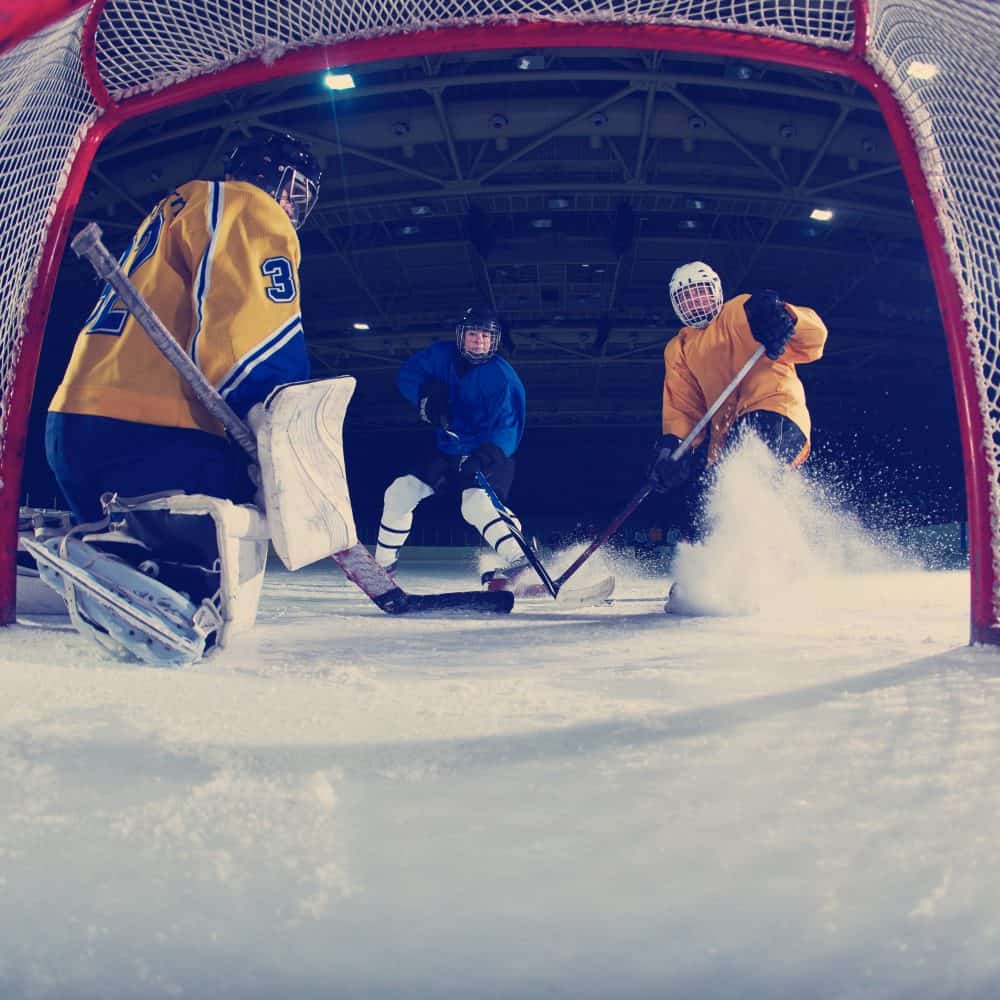
ice hockey goalkeeper

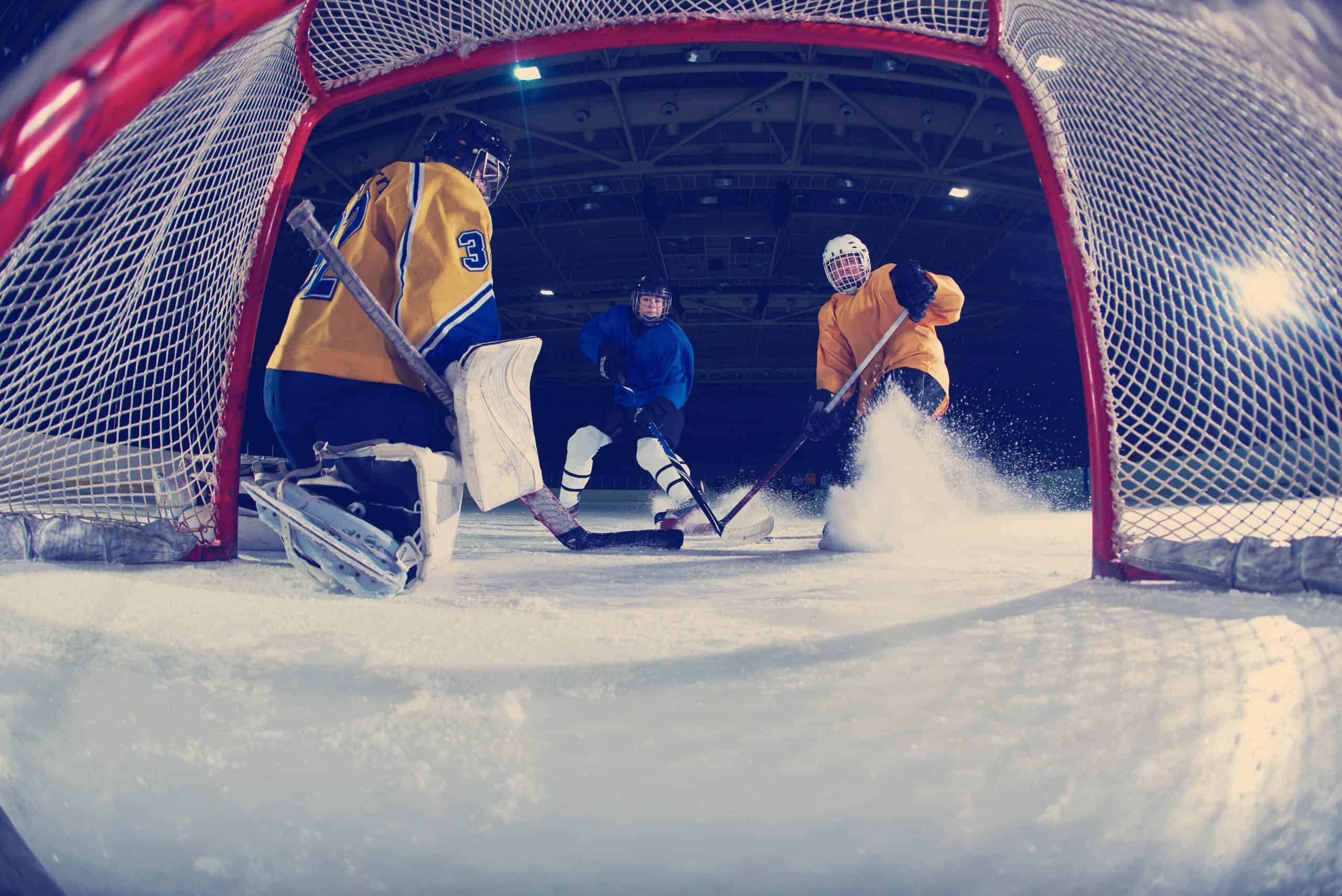
ice hockey goalkeeper

What is a concussion?

A concussion is a type of traumatic brain injury caused by a direct blow to the head or by a hit to the body that causes the head and brain to move rapidly back and forth.

It considered a mild, reversible brain injury that affects the normal functioning of the brain.

What is so special about the brain?

The brain is made up of billions of neurons and the communications between these neurons are how we think, move, and feel. We want to protect these neurons and connections so we can accomplish our day to day activities and long term goals.

What should be done if a concussion is suspected?

If the signs and symptoms of a suspected concussion are observed, it is imperative to immediately be removed from the activity (whether it be work, school, or a sport).

The individual should first be evaluated for any signs and symptoms that would warrant a referral to the emergency department. There are many tools designed to help with the detection of concussion, including the Sports Concussion Assessment Tool 5 (SCAT 5) which is intended to be used by licensed healthcare professionals and the Concussion Recognition Tool 5 (CRT 5) which is intended for use by anyone.

These tools help with recognition of the signs/symptoms of concussion, removal from the activity as well as provide guidance surrounding the immediate care of a suspected concussion.

How do you manage concussions (based on the Berlin International Consensus Statement)

It is important to be assessed by a healthcare professional if a concussion is suspected.

The assessment for concussion is multifaceted and may include evaluation of cognition, balance/coordination, neurological function, neck joints & musculature, and temporomandibular (jaw) joints & musculature based on the symptoms being experienced.

After the assessment is completed, the 24-48 hours immediately following a concussion require both cognitive and physical rest to ease discomfort and decrease demands on the brain during the early stages of healing. After this immediate rest and the acute symptoms resolve, both physical and cognitive activities can then be gradually incorporated once again provided they do not increase symptoms.

There are designated Return to School and Return to Sport protocols that will help to gradually increase cognitive and physical demands. Although these protocols can be performed simultaneously, returning to cognitive demands (such as school or work) are to be completed prior to physical demands (such as sports or rigorous physical activity).

The majority of concussions resolve on their own within 14 days for adults and up to 4 weeks in children. However, if the concussion does not resolve as expected, rehabilitation can be done based on findings of an individualized assessment.

Concussion Treatment may include:

  • Cervicovestibular rehabilitation
  • Manual therapy of the cervical spine and temporomandibular joints and
    muscles
  • Adaptation, habituation, and balance exercises
  • Gait and head movement
  • Activity/sport-specific training drills”

Filed Under: Chiropractic, Physiotherapy

The 7 Most Common Running Injuries

January 16, 2020 by Target Therapeutics Leave a Comment

young African american woman runner with headphones jogging outdoors in nature beautiful summer night - Fitness, people and healthy lifestyle

young African american woman runner with headphones jogging outdoors in nature beautiful summer night - Fitness, people and healthy lifestyle

How physiotherapy can help prevent the most common running injuries

As a runner, you know how to push through. From bad weather to blisters to stitches on your side, you’ve trained to let the little things slide in order to cross that finish line—even when that comes to pain.

Though the joy of running is unlike anything else, the repeated movements involved can be hard on the body. We’ve all heard the stories or maybe even experienced some of them firsthand—the full-blown injuries that keep a runner’s shoes in the closet for weeks or months.

Whether you’re running for pleasure or training for a race, you’re bound to have aches and twinges along the way. Injury prevention isn’t about the absence of pain; it’s about having the right reaction when that pain comes along. A timely response will help you avoid acute injuries that could pull you from the pavement for an indeterminate hiatus.

A physiotherapy appointment is a great way to get answers to the questions you have about your running pain:

  • Is it safe to run through the pain?
  • What are the signs it’s getting more serious?
  • How can I treat the pain at home?
  • What exercises will help me keep running?

Your physiotherapist can help you with information, advice, and treatment
to keep you running, injury-free.

Here are the 7 Most Common Running Injuries and When to Book a Physio Appointment.

1. Runner’s knee

While it can affect other athletes, runners are the most commonly afflicted with this pain or tenderness in and/or around the kneecap.  According to a University of Calgary study, this type of pain accounts for 57% of all knee problems in Canadian runners— if you’re having pain in this area, it’s most likely runner’s knee.

Book a physio appointment when: You’re having twinges on the outside or inside of the knee when you begin your run, but then seem fine throughout, only to flare up afterward or during prolonged sitting—this is a sign that things could get worse without physio treatment.

2. Achilles tendinitis

Up to 20% of runners are affected by this injury, which appears when the Achilles tendon (connecting the two major calf muscles to the back of the heel) comes under too much stress. The tendon tightens and gets irritated, leading to the pain in the back of the foot.

Book a physio appointment when: You’ve got a dull pain in your heel during and after a run, but at home remedies like ice usually take care of it—book a physio appointment before this pain shows up even when you’re not running

3. Hamstring issues

Your hamstrings make up the majority of the muscles in the back of the thighs, propelling you forward during your run; injuries involving this group can be an issue of flexibility or strength. Hamstring strains are common and take a lot of time to heal—re-injuries often occur without the proper physiotherapy and if the re-introduction of training is rushed.

Book a physio appointment when: You have a constant ache or tightness in the back of your legs when you run, which you try to ease with a slower pace or a shorter stride—you’ll want to get physio before there’s a pop, snap or bruise.

4. Plantar fasciitis

Foot pain accounts for 15% of all running injuries, with plantar fasciitis mat the top of that list. This injury involves small tears and inflammation of the tendons and ligaments of the foot, resulting in pain that might feel like a dull ache or bruise along your arch or heel.

Book a physio appointment when: You’re having foot pain when you first get out of bed, walking around after sitting or the first few strides of a run. It may disappear after that, but you’ll want to avoid having that constant pain by consulting with a physiotherapist as soon as possible

5. Shin splints

Also known as medial tibial stress syndrome, this achy pain down your shins makes up about 15% of all running injuries. It may seem small, but these are actually tears happening around your shinbone and can develop into something more serious.

Book a physio appointment when: You can walk and even jump without pain, but there’s a tightness and ache around your shin when you run. Before it becomes too tender to touch (or walk), see a physiotherapist for simple ways to correct the issue.

6. Iliotibial (IT) band syndrome

When the band that runs along the outside of your thigh—connecting hip to knee and shin—gets irritated, runners experience a pain down the outer area of the knee joint. At 12% of all running injuries, it’s often mistaken for a knee injury.

Book a physio appointment when: Two to three kilometres into your run, you start experiencing pain and tightness on the outside of your knee. If you walk it out, the pain disappears, but this means it’s time for physio—before you hear the clicking or popping sensation of the IT band snapping against the joint.

7. Stress fracture

For runners, the constant impact of activity can cause too much strain on the shins, feet or heel bones and lead to a stress fracture—the most serious of all running injuries. Different than an acute fracture that happens in one brief moment, stress fractures happen gradually, which means they can be prevented.

Book a physio appointment when: You’ve got pain when you run, but also sometimes when you’re on your feet for too long. Like any progressive injury, it’s key to listen to your pain and respond early—a physiotherapist can help make sure you’re on track to prevent or recover from stress fractures caused by running.

Filed Under: Health, Physiotherapy, Running, Sports Medicine

« Previous Page

Footer

230 East Avenue
Kitchener, Ontario N2H 1Z4

Click To Call: 519-593-2354
E: [email protected]
Fax: (519) 569-8215

  • Make An Appointment
  • Services
  • Therapies
  • Meet Our Practitioners
  • Rates + Insurance
  • About Us
  • Contact

Copyright © 2026 TARGET THERAPEUTICS | 230 EAST AVENUE | KITCHENER ONTARIO | 519.593.2354